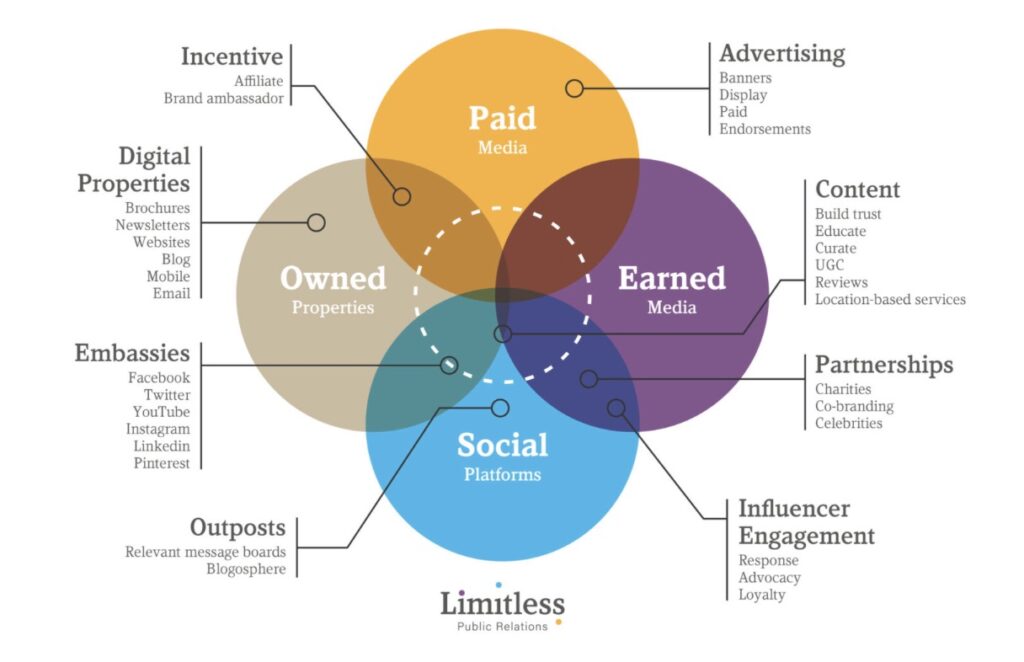
Anyone can purchase ads to get views and clicks. And a clever ad campaign, with a decent budget, can make sure your brand is launched into the digital sphere and win you clicks. But what comes after the click? How confident does the customer feel they have arrived in the right place? Is yours a brand they already know and trust? You’ve won the click, but are have they got the confidence to actually buy, if this is the first they have heard of you. Or would they be wise to shop around a little more first?
This is where PR enters the picture. Public relations doesn’t just share your message: it builds credibility, strengthens reputation, and ensures your brand’s voice lands with the right people at the right time – usually before they even arrive at your website with a mind to buy.
Businesses that underestimate the power in PR risk spending cash on clicks but still losing customers to competitors who have invested in brand as well as click bids.
Limits of paid media?
Paid ads are great for grabbing attention, and fast. But attention on its own isn’t enough. You need more. As the generation of social media consumers, we endlessly – and mindlessly – scroll past ads and content, and then it’s gone. Research shows that audiences are increasingly sceptical of paid messages, with a quarter of the public actively distrusting ads. Spending big budgets on ads doesn’t guarantee lasting influence. Ads can deliver reach, but reach without trust is just noise.
What PR does differently
PR is earned, not bought. Coverage in newspapers, magazines, podcasts, and credible online outlets carries weight because it comes from a third party. People choose to engage with it. They read the story, digest the context, and most importantly, they trust the source.
Beyond trust, PR creates depth of engagement. A feature article, an expert quote, or a well-timed press release gives your audience a reason to think and connect with your brand. This is the opposite of the doomscroll – it’s attention that lasts.
In today’s rapidly travelling digital sphere, earned media doesn’t just reach humans. AI-powered search engines rely on reputable journalism to generate credible content. Your brand’s credibility goes beyond surface visuals, with AI shaping how content is discovered by algorithms in ways that ads can’t.
PR in action
In the UK, national news brands reach around 24 million adults daily. That’s comparable with major broadcast channels. While fewer people may pick up a newspaper than say a decade ago, those who do are giving more time and attention than a quick social scroll ever demands.
Small businesses and big brands alike have leveraged PR to punch above their weight, earning coverage that increases awareness, positions them as experts, and drives real engagement, all without the huge cost of paid ad campaigns.
Why do businesses still underinvest?
Despite the many advantages, many smaller companies underinvest in PR and wonder what’s hindering their growth. Reasons for this range from cost, measuring concerns, and the reliance on ads. But strategic PR is measurable.
Final thoughts
Visibility is cheap, but credibility is priceless. PR converts exposure into trust, influence, and authority that turbocharge ad performance along with all marketing channels.
For businesses serious about growth, investing in PR isn’t optional. It’s a strategic move that boosts sales and supports long term growth.
Want to find out more? Drop Michael Gregory a message and see how we can work together to help your business grow
Lancaster University’s School of Engineering has appointed Andy Davy as the new Chair for its Industry Advisory Board.
The Industry Advisory Board (IAB) brings together employers and professional bodies to advise on teaching and research priorities, feed skills needs into curriculum planning, and support student placements and internships. It also provides external input to accreditation and wider engagement activity, helping ensure graduates’ capabilities match sector demand and creating clear routes for companies, including SMEs, to collaborate with the School.
A long-standing member of the board, Andy Davy is Group Operations Manager at Lancaster-based Like Technologies, which provides specialist electronic and control-system support to clients across the nuclear and advanced engineering sectors, including obsolescence management and equipment repair.
In his role as Chair, Andy will lead twice-yearly IAB meetings and work with the IAB co-ordinator, Chris Lambert to agree agendas and formats. He will also review minutes and represent the board at formal engagements such as accreditation visits.
On his appointment as Chair, he said: “Chairing the board is about turning employer insight into practical outcomes. Feeding into the curriculum, helping to ensure the teaching provides the students with the knowledge, skills and behaviours that add value for local firms. That two-way flow helps students hit the ground running and gives businesses a straightforward route into the School when they need skills or fresh ideas.”
Chris Lambert, Director of Engagement, School of Engineering, Lancaster University, said: “We very much welcome Andy as Chair of the board. His deep, front-line, industry experience and knowledge will help guide the board in its role as a sounding-board for curriculum relevance, accreditation and employability. Its members’ perspectives shape modules, open up internships and placement year roles, and guide where our engagement will have most impact.”
Does anybody else feel the sight of Prince Harry and Liz Hurley raging against newspaper intrusion comes across as fighting a battle from a war long ended?
Surely in a world of deepfake memes being pumped out by the White House itself, bothering what the papers say seems rather out of step? And who reads the papers nowadays anyway?
It’s true that fewer people in the UK rely on newspapers for news than they once did. Ofcom’s latest data shows that around half of adults used newspaper newsbrands in 2018, compared with roughly a third today. While that sounds like a big drop – and it is – it’s also easy to misunderstand what that figure actually describes, in context.
As Harry and Liz will tell you, the newspaper brands once ruled the world – almost literally. So, though they have dropped in circulation overall, at 33% of adults, their audience is still undeniably very significant.
Industry measurement via PAMCo shows national newsbrands reaching around 24 million people every day. That’s a mass audience, comparable with major broadcast channels and far larger than many of the audiences truthfully claimed in digital campaigns.
What matters even more than scale, though, is attention. Reading a newspaper, whether online or in actual print, is a deliberate act. It involves choosing a destination, allocating time, and engaging with longer-form material. That is a very different behaviour from encountering content while scrolling.
Social platforms have redefined what “reach” means, and not always in ways that are actually meaningful. A “view” can simply mean that something appeared on screen for a moment.
Newspaper environments operate on a different logic. UK adults still spend around an hour a day consuming news. And quality newspaper journalism remains central to providing explanation, context, and original reporting. While fewer people use newspaper brands than before, those who do are typically giving them more time and more cognitive effort than a social feed ever demands.
There is also a newer audience that is yet to be properly factored into debates about readership. AI-powered search and answer engines increasingly rely on trusted journalism to generate responses, summaries, and citations. Partnerships such as OpenAI’s work with the Financial Times, and early evidence from AI-powered search results, show that established newsbrands are heavily favoured sources.
Newspapers are now read not just by people, but by the systems shaping how information is discovered. Maybe you don’t read a newspaper yourself. But your AI search bot certainly does – alongside millions of other people – every day.
And the attention they together give is intentional, contextual, and trusted, in a way that most social metrics simply do not capture.
In the PR world, that matters. Newspapers may no longer dominate quite like they did in the past. But compared to other sources, they are about quality of audience, depth of engagement, and credibility that travels further, lasting longer than a fleeting view. And, in an attention economy, that’s where the value remains.
Blackpool-based energy consultancy Trident Utilities has strengthened its leadership team as the business positions itself for its next phase of growth.
As part of the changes, Alexandra Mottershead has been promoted to Head of Procurement & Supplier Services. Alex joined Trident in March 2022, at the height of the energy crisis, bringing a decade of experience in the energy consultancy sector.
After graduating from the University of Manchester with a degree in Atmospheric Physics, Alex joined the industry as a fixed procurement analyst and has since built extensive expertise across risk management, trading, procurement, and supplier relations.
In her new role, Alex will lead Trident’s risk management, trading, procurement, and supplier services functions. Her team is responsible for strategically procuring energy for customers by balancing individual organisational priorities and risks with market opportunities and net-zero objectives.
This includes managing both fixed-term contracts and flexibly traded procurement strategies, as well as overseeing fixed and flexible Power Purchase Agreements (PPAs) for generators to maximise revenues while mitigating operational risk.
Alex’s team also includes Trident’s non-commodity specialists, who provide vital updates to customers on charging, policy, and regulatory changes that may impact future energy costs.
Alexandra Mottershead, head of procurement & supplier services, said:
“I’m really proud to be stepping into this role at such an important moment for the energy sector.
“My focus is on making sure organisations have the clarity and confidence they need to make informed energy decisions that support both commercial resilience and their journey to net zero. I’m also genuinely excited to be leading such a talented team as we continue to strengthen our procurement and risk management capabilities.”
Andy Curry, head of client services, added: “Everything we do at Trident is grounded in strong data and sound science, and Alex brings a rare combination of both. Her deep understanding of the science, alongside more than a decade of hands-on industry experience, is invaluable for our clients and adds real strength to our wider leadership team.
“Alex’s perspective will further strengthen our ability to help clients make informed, long-term strategic decisions as they seek to lock in energy efficiencies and cost savings on the path to net zero.”
Earned media (or PR and media relations, as it’s more traditionally known) is back in fashion. Big-time.
As AI-powered search and discovery systems increasingly prioritise authority, credibility and third-party validation, organisations are rediscovering something the media industry has always known: independent coverage carries weight. Not just with people, but with the new machines that feed them their intel.
This renewed interest in earned media credibility has brought a wave of newcomers into PR – founders, marketers and brand teams who suddenly need credible off-site coverage, but have never worked with journalists before. Many arrive with assumptions shaped by social media and self-publishing. And those assumptions, left unchallenged, are where things can go wrong. Sometimes, very wrong.
The new era for an old mental model
If you’ve built your reputation through social platforms, content marketing or founder-led channels, the world of journalistic PR can come with some surprises.
Social media trains people to think in terms of speed, volume and control. You publish when you like. You adjust if something lands badly. You delete if it doesn’t. The feedback loop is instant, and the consequences are usually contained.
Earned media operates on a different set of values entirely.
You don’t own the platform. You don’t control the final output. You have no direct control over whether your story gets published at all. And once something is published, it exists – often permanently – outside your control.
For many first-timers, that inversion of power comes as a shock.
Earned media is not “content”
It helps to be precise about terms.
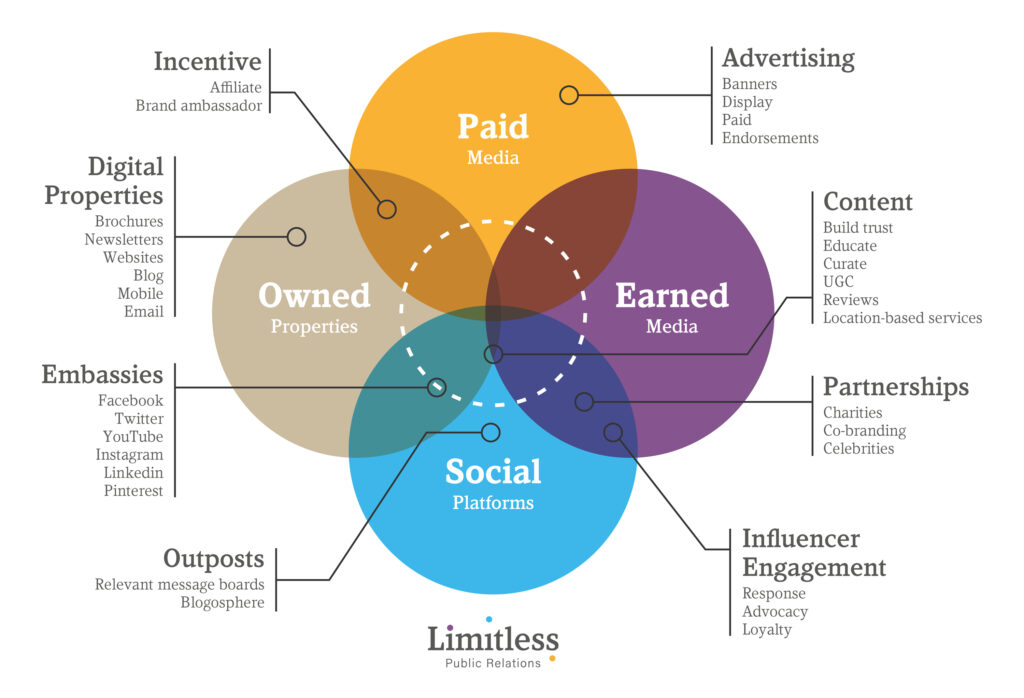
Owned media is what you publish yourself: your website, blog, newsletter.
Shared (i.e. social) media is rented space: governed by platform norms, algorithms and fleeting attention.
Earned media is coverage you do not control, created by people whose job is not to serve your brand.
Paid media is when you realise there can be a chequebook requirement to staying in absolute control of what others publish about you.
Many marketers have grown up in an environment where owned and shared media were all that mattered.
While paid media is almost a separate animal entirely, earned media is where the value is in the world of LLMs. And it derives its value from independence. If journalists simply echoed brand messaging, their work would be worthless to readers, and increasingly to AI systems trained to discount self-interested sources.
This is why earned media can feel uncomfortable to newcomers. Credibility comes precisely from the fact that scrutiny – sometimes aggressive – is built in.
Journalists are not marketers – and never will be
One of the most common mistakes newcomers make is assuming journalists care about marketing goals. They don’t.
Journalists care about:
What’s new
What’s true
What’s relevant
What matters to their audience
They are not interested in your funnel, your positioning statement or your quarterly targets. They are trained to interrogate claims, not amplify them.
This isn’t hostility. It’s professionalism.
Journalism is a vocation. It comes with norms, ethics and responsibilities that sit apart from brand building. Respecting that is not optional.
When PR works well, it’s because it understands this distinction and works with it, not against it.
The risks of “playing journalist”
In recent years, the lines between journalism, content and personal branding have blurred, sometimes unhelpfully.
High-profile “content platforms” that mimic journalistic formats without adopting journalistic discipline have shown what happens when editorial challenge is replaced by brand alignment. Interviews become vehicles for self-promotion. Claims go unchecked. Extremes attract attention precisely because nothing pushes back.
When self-promotional content creators (the types that like using the term CEO a lot for instance) come under scrutiny, it’s rarely about intent. It’s about structure. Journalism without independence, verification or accountability isn’t journalism. No matter how polished a podcast studio looks, shine without responsibility can come at a cost.
This matters for anyone entering earned media from a content background. The goal is not to perform journalism. It’s to engage with professionals who practice it properly.
PR is a grown-up discipline, and that shows in the process
Beyond philosophy, there are practical realities of earned media that often catch social-media natives off guard.
The first is permanence.
You can’t quietly edit a press release once it’s sent. You can’t retroactively clarify a quote once it’s published. Corrections, if they happen at all, are visible, and often draw more attention than the original error.
Which brings us to the second shock for many: APPROVALS. Written in caps for a reason so you don’t miss it.
In earned media, nothing should be issued without:
Fact-checking
Verification
Internal sign-off from EVERYONE with reputational exposure
This can feel painfully slow to people used to publishing on instinct. But it exists for a reason. When the consequences are external and long-lasting, diligence matters more than speed.
And then there’s the highest bar of all: EDITORIAL INTEREST.
Also written in caps for good reason.
Journalists are not short of material. If what you’re offering isn’t genuinely interesting, original or insightful, it simply doesn’t get published. There is no courtesy reach. No participation trophy. No algorithm to game.
This is a hard adjustment for those accustomed to self-publishing. In the real media, your content is judged before its published. If it doesn’t pass the interest test, it just doesn’t run.
Newcomer basics
If you’re new to earned media, a few fundamentals will save you time and trouble:
Earned media isn’t content. It’s actual news.
Journalists aren’t interested in marketing. They’re professionals with a genuine obligation to inform.
Credibility comes from the very fact you are not in control.
The approval process exists because mistakes have an impact.
If something isn’t genuinely interesting (to someone else), it won’t be published.
Earned media hasn’t come back into fashion because it’s easy. It has come back because, in a crowded and automated information environment, trust still has to be earned.
What is earned media? Coverage secured through editorial merit rather than paid placement.
Why is earned media important? It increases trust, improves search rankings via backlinks, and enhances brand authority.
What counts as earned media? Press coverage, expert commentary, reviews, interviews, features, and organic online mentions.
As we reach the end of 2025, we’re looking ahead to how public relations can support and strengthen your business. With AI rapidly transforming the landscape of communication, customer expectations, and reputation management, it’s fair to say that 2026 will bring a wave of new opportunities – as well as fresh challenges – that make strategic public relations more valuable than ever.
Here are five things worth keeping on your radar for the year ahead.
1. AI is a driver
AI is changing fast, and it’s not just about being able to use the technology; more about how to clearly explain it. Businesses will need PR teams who understand AI and can turn complex tech into simple, confident messages that their audiences can be reached with and understand.
With the rapid development of artificial intelligence – Generative Engine Optimisation (GEO) – is emerging. Instead of delivering lists of clickable links as search engines have previously done, AI-powered search tools now provide summaries based on information from various sources and may include generated perspectives. This will be a key feature in the coming year, as we’ve previously talked about.
2. Reputation will be harder to protect and easier to lose
With deepfakes, misinformation, and rising public scepticism, trust is absolutely fragile. Mike Robb, Co-CEO of Boldspace, said:
“Trust will (still) be the hardest currency to earn. With audiences increasingly sceptical of everything they see and hear, brands can’t rely on polished messaging alone.”
PR should focus on building credibility through actions, evidence, and consistency. Through strategic communications, you can show your values and impact, while keep your brand’s messaging authentic.
3. Earned PR goes beyond traditional media, into creator and community space
The PESO Model (Paid, Earned, Shared, Owned) remains at the centre of modern communications strategies. Earned media now includes so much more than only traditional press – individual creators, community forums, industry voices, podcasts, Substack writers, and specialist online communities – not just newspapers and broadcast media. Credible publication sources will feed into GEO, enhancing public relations results.
4. Purpose-driven communications take priority
Audiences are increasingly looking beyond products and services to what a business stands for. Social responsibility, sustainability, diversity, ethical practices… all are part of how your brand is judged. Taking a stand and showcasing your purpose – authentically – is a powerful position. Public relations can help you to craft your values-led messaging, helping a positive reputation and stakeholder trust to grow.
5. Crisis readiness will be a core part of business
Today’s fast-moving information landscape means problems can spiral quickly and cause serious damage. Strategic communications helps you to stay prepared; from planning for potential scenarios and spotting misinformation early, to having systems in place for rapid response to a real crisis. In 2026, being ready won’t just protect your reputation – it will save time, resources, and stress when things go wrong.
Considering an overhaul in your strategic communications in 2026? We can help. Drop us a message here to find out how we create strategic, powerful communications that land – and last.
How backlinks, brand mentions and smart PR can work together for SEO and GEO
For as long as search engines have existed, links have been the part of the currency of visibility. When Google’s PageRank algorithm launched in the late 1990s, it treated links as “votes of confidence” – the more quality sites that linked to you, the more important you looked.
That logic turned link-building into an industry. In the early 2000s, SEO was dominated by tactics focused almost entirely on volume: link farms, article directories, reciprocal linking schemes and worse. Over time, Google cracked down with major updates (like Penguin) and shifted the emphasis from more links to better links: relevant, authoritative, earned.
Today, we’re going through another shift. AI-powered and generative search tools are changing how people discover brands. Instead of a list of blue links, users increasingly see summarised answers with a handful of citations – often drawn from trusted media and high-authority sites. Research into Generative Engine Optimisation (GEO) finds that generative search has a strong bias towards earned media and third-party sources – more so than traditional Google search.
So where does that leave link strategies in PR? Are backlinks still worth chasing? And how should SMEs think about links in press releases and media coverage in 2026?
A quick history: from any link will do – to authority signals everywhere
To understand where we are now, it’s worth briefly revisiting how we got here:
Early 2000s – the link gold rush Once PageRank became widely understood, SEOs realised that external links could push sites up the rankings. The result was a flood of low-quality tactics: link exchanges, spam directories, keyword-stuffed articles. Quantity often trumped quality.
2010s – Google fights back Google rolled out a series of algorithm updates that targeted manipulative links, rewarding sites that earned links from relevant, trustworthy sources and penalising those relying on spam or paid schemes. The message was clear: natural, editorially-given links equals good; manufactured links equals bad.
2020s – authority, context and brand matter more Modern SEO guidance consistently stresses that backlinks still matter – in fact, they remain one of the strongest signals of authority and trust. But the weight has shifted towards fewer, higher-quality links from relevant domains, supported by strong content and clear brand signals.
In parallel, AI-driven search has arrived. Large language models and generative engines don’t crawl the web in quite the same way as Google’s link graph. They infer authority from patterns in text, entity relationships and, crucially, the sources they choose to cite. Studies suggest that generative engines lean heavily on earned media and high-authority sites when deciding what to surface.
That means our concept of “link strategy” needs to widen. Traditional backlinks are still important – but they now sit alongside brand citations, mentions and context as part of a wider authority picture.
Links vs brand citations: what really matters now?
So, are links less important than they used to be? Recent analysis from SEO and GEO specialists paints a consistent picture:
Backlinks are still extremely powerful for SEO Quality backlinks are still among the top ranking signals for Google, especially as part of E-E-A-T.
AI search values mentions and citations as much as the link itself Large language models pay close attention to where and how your brand is mentioned, and which sources are talking about you.
Earned media plays an outsized role GEO research suggests that a high proportion of citations in AI answers come from earned media – the kind of coverage PR delivers.
The emerging consensus is that it’s not a choice between backlinks and AI citations. Both matter, but in different ways.
In practical terms for SMEs:
Links from credible media and relevant websites still help your organic rankings.
Brand mentions and citations in trusted outlets help you show up in AI summaries.
PR is one of the few disciplines that can drive both at once.
So yes – links are still valuable. But PR strategies now need to think in terms of authority signals, not just getting links.
Links in press releases: what to expect (and what not to)
This is where expectations can get misaligned. Many businesses assume that if they stuff a press release with keyword-rich links and push it out via a distribution service, they’ll get an SEO bump.
That’s not how it works. The key reason is it doesn’t matter what you put in your press release so much as what the journalist who publishes it keeps in.
Sensible expectations for clients
1. Include links – but for readers, not robots Include homepage links, product pages, or campaign pages. They help journalists find what they need. If they think it’s valuable for the reader to keep them in, they might do. But this should not be an expectation. It should be seen as a bonus to the citation and brand-building value of the story.
2. Editors may strip or modify them Newsrooms may remove links, change anchor text, or automatically add no-follow in their CMS. This is something you just have to accept. Journalists are not there to market your business. Never ever ask a hard news journalist to add a link to your coverage. It’s the equivalent of asking a policeman to pop to McDonald’s for you. It shows a deeply disrespectful, and potentially dangerous misunderstanding of their role in the world.
3. Don’t over-optimise text Overly keyword-stuffed text might work against you. If you describe your business as a “tax efficiency strategist and financial services and solutions provider” a journalist will just change that to “accountancy firm” if they know that’s what you actually are, or just bin the release because they cannot be bothered working out what you actually do. Use natural phrasing and brand names.
4. The real SEO value is in actual coverage – not hosting on newswires The press release might be optimised to the hilt, but will have zero affect on rankings if it is not published. The value comes when journalists write a story off the back of your release and choose to link voluntarily.
PR tactics that make journalists want to link
If you want journalists to keep your links in – and even better, add their own – the question becomes: Have we given them a good reason to link? There are ways to do this, but they require dedicated extra effort and possibly investment. Options include:
Create data or insight hubs
Commission a survey, publish full results and methodology, and use the press release to highlight key findings while linking to the full data. Editors will often link when it adds genuine value.
Build evergreen resources and explainers
Create: industry benchmarks, plain-English explainers, toolkits or glossaries. If these resources are helpful, journalists have a clear incentive to link.
Offer visual orinteractive assets
Examples: calculators, interactive maps, downloadable tools. If the full interactive experience is only available on your website, journalists are much more likely to link.
Make your content machine-readable as well as human-friendly
Clear structure, headings, descriptions, and schema markup make it easier for both search engines and generative AI to understand and cite your content.
This is where PR, SEO and GEO intersect.
PR earns the coverage
SEO ensures the linked-to content is technically strong
GEO benefits when your brand is consistently cited in trusted sources
What this means for PR strategy for SMEs
For SMEs, the takeaway isn’t links don’t matter anymore: it’s far from it, but links alone are not the goal – authority is.
In practical terms:
Treat links as a by-product of doing PR well.
Build campaigns that generate editorial coverage and host link-worthy assets.
Include links in press releases, but set realistic expectations about how editors will handle them.
Invest in content that journalists and AI search tools both regard as useful and trustworthy.
Get this right, and you’ll build a visibility engine that works across traditional SEO, AI-powered search and human audiences. Links will still matter – but alongside brand citations, earned media and genuine authority.
Limitless Public Relations’ client, the specialist shipping company – PACK & SEND Belfast East – has completed Phase 1 of a complex artefact relocation project for Derry City and Strabane District Council. This involved the careful removal and transport of fragile museum pieces from the Tower Museum in Derry to conservation facilities in Belfast.
The artefacts, which include items from the Armada Shipwreck – La Trinidad Valencera exhibition, have been temporarily relocated to the Ulster Museum. This is as part of preparatory work ahead of the launch of the new DNA Museum, currently under construction in the Ebrington area of the city.
Working alongside the Council’s museum and engineering teams, in partnership with conservation staff from National Museums NI, PACK & SEND Belfast East was appointed to oversee the secure transport. The high-value and historically significant objects required bespoke packaging and meticulous handling. The operation involved the removal of windows from the Tower Museum to allow for crane access, the dismantling of internal fixtures, and the waterproofing of selected items before they could be lowered from the building and loaded for transit.
PACK & SEND Belfast East is part of a network of service centres across the UK. The company was selected for the project due to its specialist experience in the shipment of fragile, large, awkward and valuable items. The company is an approved service provider to LAPADA, the UK’s largest association of professional art and antiques dealers, and has handled works by artists including Banksy, Damien Hirst and Andy Warhol.
Work is now underway to progressively move and conserve the collection as part of the council’s plans for the development of the DNA Museum. Phase 2 of the project is expected to involve more detailed cataloguing and digitisation of artefacts, alongside initiatives to engage the public through interpretation and outreach. The artefacts will return to Derry for installation in the DNA Museum, due to open in 2027.
PACK & SEND Belfast East store owner Sam Ireland said: “We were delighted to be appointed to assist with the removal and transport of such historically important material. This type of project plays to our strengths, designing and building custom packaging, managing high-risk transit, and liaising with multiple partners to ensure nothing is left to chance. We’re proud to have supported this important step in preserving and preparing these items for future public display.”
Interest in PR – or even more specifically Earned Media – is at an all-time high thanks in part to the advent of AI-powered search and the fundamental role real media coverage plays in getting Large Language Models’ (LLM) respect.
According to PRWeek, brands featured in authoritative editorial sources are now much more likely to appear in AI-driven search summaries. So, being talked about credibly in the media doesn’t just impress human readers, it impresses the very algorithms that determine what those humans even see based on what they search.
Earned Media has therefore gone, almost overnight, from something previously seen as the reserve of brand-building companies – to an essential for anyone who wants to be found online.
What is “Earned Media” anyway?
A quick explanation for the term Earned Media is “newspapers and magazines, TV and radio”. Not the ads, but the articles and programmes themselves. Essentially, the bits people actually want to read or watch, not the stuff at the edges or in between.
While it’s possible to get coverage in media through Paid ads, Earned refers to getting covered in the articles themselves, not by paying cash, but through a “value exchange” of making a journalist’s day just a tiny bit easier by providing them with content that is useful and interesting to their audience.
So how is it done?
1. Think like a journalist, not a marketer
The first rule of good Earned media relations is simple but often ignored: journalists are not there to market your business. Their loyalty is to their audience, not your brand – or any kind of marketing. They don’t care about marketing… at all. They care about stories and valuable insights.
Editors are deluged with stories daily. They’re looking for relevance, impact, and human interest, not corporate messages. As the BBC’s own editorial guidance makes clear, the test for inclusion is whether a story “adds something meaningful for the public” not whether it’s good for a company’s profile.
Less formally, the BBC local news test has been quoted as “the pub test”. If you told this story to a person in a pub, would they be interested? If not, drop it.
So, when planning your media outreach, ask yourself:
What’s genuinely new, surprising, or useful in what we’re saying?
How does this story connect to a bigger theme – a local issue, a sector challenge, or a human story?
Why would this outlet’s audience be interested?
If your pitch answers those questions, you’ve already increased your odds of coverage. Instead of thinking “how do we promote our product?”, think “how do we help a journalist tell a better story?”
2. Know the difference between news and features
Understanding what kind of story you’re offering is critical. There’s a world of difference between a news release and a feature idea. And the way you frame them should reflect that.
News is about what’s happening now: a product launch, a major contract, a new appointment, a milestone, an award. It needs immediacy and clarity. A good press release should:
Lead with the essential facts (who, what, when, where, why).
Include a quote that adds context or insight, not just enthusiasm.
Avoid corporate jargon.
Attach strong visuals (more on that later).
Features, by contrast, are longer-term and more thematic. They explore why something is happening or what it says about a wider trend. For example:
Feature: “How northern manufacturers are carving out new export markets post-Brexit.”
If news gets you mentioned, features build your authority. They allow space for commentary, data, and narrative – the stuff that turns a company name into a trusted voice.
A balanced PR strategy should combine both. Use News to show activity and momentum, and Features to show expertise and substance.
3. Engage with the news agenda
Great PR isn’t just about pushing out information, it’s about joining conversations that are already happening.
When something relevant breaks in your sector, having an informed spokesperson ready to offer perspective can elevate your visibility overnight. Journalists value businesses that are fast, articulate, and quotable.
To make that work in practice:
Track your sector’s news daily. Look for opportunities to provide expert comment.
Develop a clear media profile for your spokesperson: what topics can they credibly speak about?
Respond quickly. Newsrooms move fast; being first and relevant matters more than being perfect.
Keep commentary tight and topical. Aim to inform, not advertise.
Over time, this kind of visibility establishes your business as a go-to voice for journalists. That consistency is what turns one-off mentions into recurring media relationships and recurring relationships into lasting authority.
4. Start local to go national
For UK SMEs, local media is often the smartest entry point into the national conversation.
Regional outlets across print, online, and broadcast are deeply connected to their communities. They’re also trusted by national journalists as a rich source of human-interest stories and business leads.
Getting covered locally not only strengthens your visibility in your area but also makes you discoverable when national media are researching sources.
Again, put yourself in the position of a journalist researching a national story. Would you call someone who hasn’t even featured in their local press?
The same works from a proactive angle. If you pitch a story or contributor to a national media outlet, what you are saying will sound a lot more credible if that journalist can see what you are saying has already been echoed in local press. It’s almost like PR-ing your PR.
The rule of thumb: treat local media not as second-tier, but as your basic “starter for 10”. Regional journalists are accessible, receptive, and looking for stories that show enterprise, creativity, or community impact. Get that right, and the national visibility often follows naturally.
5. Strong visuals make the difference
Okay, this is going to sound controversial, but it’s true.
A strong story with a great picture will almost definitely be published, if targeted to the right media.
A very strong story, with no picture, will still very likely be published. But will lose page impact, and, may end up being accompanied by a stock picture you don’t like.
However, a medium story with a great picture still has a good chance of being published.
A medium story, with a weak picture, has a very low likelihood of getting published.
A weak story with a poor picture will almost certainly not be published.
But, a weak story with a great picture… has a decent chance of being published.
In short, pictures matter (as best-selling author and acclaimed photographer, Brian Lloyd Duckett, says in this blog on how photography plays an important part in forming opinions). And a great picture can very often be the main reason a story gets published at all. It will certainly improve its likely position on the page.
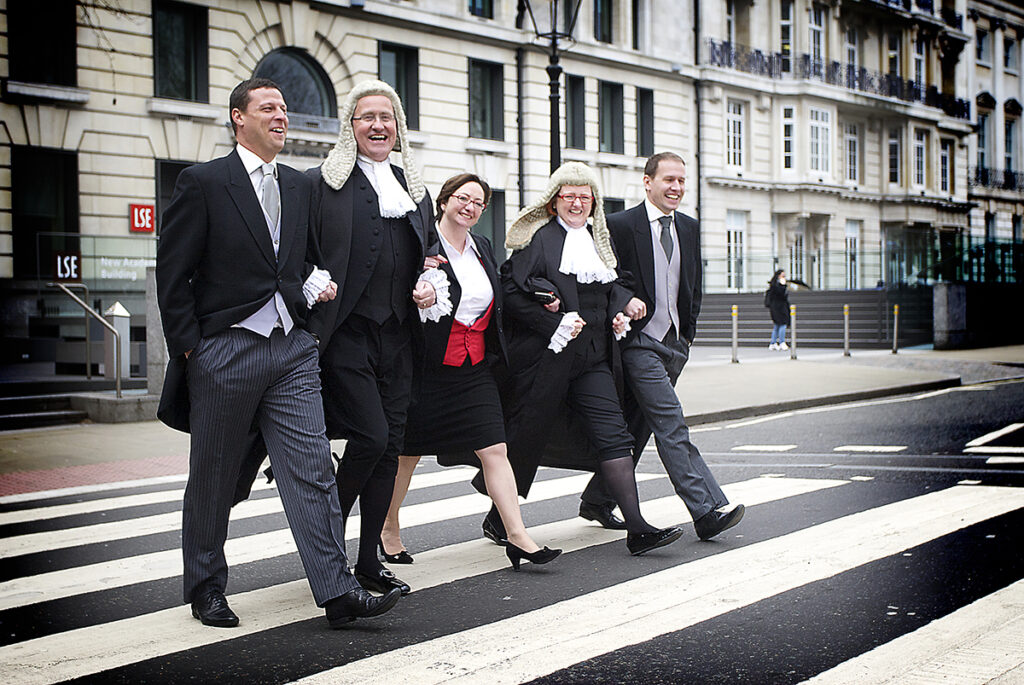
Photo by Brian Lloyd Ducket
Good media photography isn’t about glamour – it’s about clarity, quality and context.
Never use stock imagery. Editors and readers can spot it instantly and it’s extremely likely you are breaching the copyright small print of the website where you bought it by providing it with a press release, whereby there is an unspoken understanding you are granting others the right to reproduce it (which is illegal if you don’t own the right to).
Provide original, high-resolution, well-lit images, showing real people and authentic settings.
Supply captions and names: this helps both human editors and AI systems index the image correctly.
Include options if you can, a landscape, a portrait, a team shot, so editors can choose what fits their layout. But remember each option must work as the shot, not be provided as a combination.
Most importantly, the shot should “tell the story”. The very best shots tell the story without you even having to read the accompanying article.
Publications are increasingly under-resourced. If you make your story visually ready to publish, you’re not just being helpful, you’re making it easier for a journalist to say “yes”. Photos should look exactly like the kind of photo the publication would take if they sent along their own photographer.
Bringing it all together
Traditionally, PR has been seen as an optional extra for small businesses who want to sell a bit more than they would otherwise.
But PR has never been an optional extra for businesses that want to grow. For these kinds of businesses, it has always been essential. It’s the foundation of visibility, credibility and long-term brand value.
What’s new is that AI-powered search has made that visibility more measurable and more valuable than ever. When trusted media outlets mention your company, they’re not just boosting your reputation, they’re signalling to algorithms that your brand is authoritative.
For SMEs, that means now is the moment to invest in earned media:
Build relationships with journalists before you need them.
Think in stories, not sales messages.
Use local coverage as your credibility engine.
Ensure every piece of content – words and images – is publication-ready.
Do it consistently and strategically, and your business won’t just be more visible to editors and audiences. It will be visible to the very systems that shape how people discover and trust brands in the digital era.
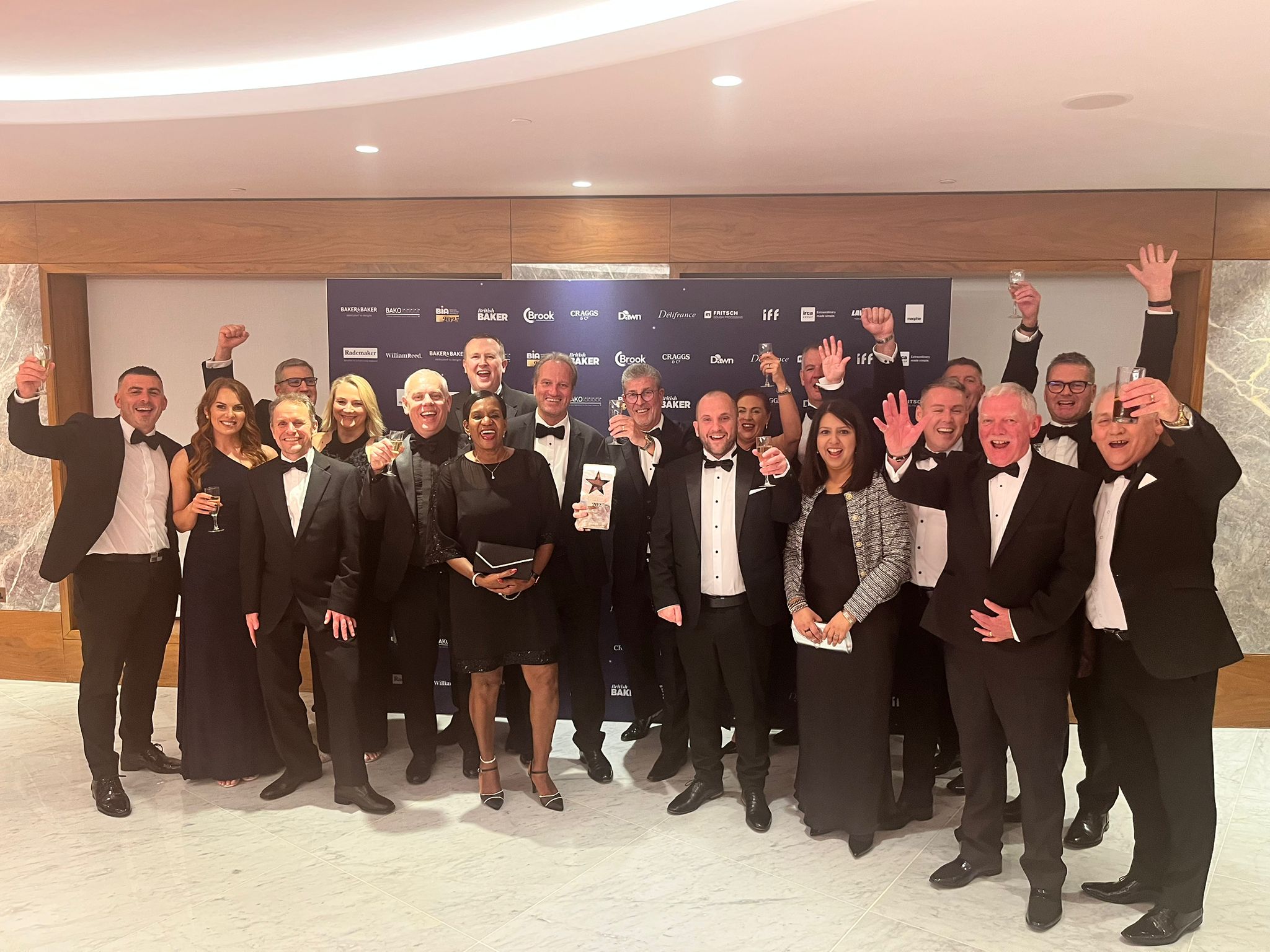
Preston-based BAKO, has been named Supplier of the Year at the prestigious 2025 Baking Industry Awards, at the Royal Lancaster in London.
Now in their 38th year, the Baking Industry Awards are the UK’s foremost celebration of excellence across the baking sector, from artisan bakers and large-scale manufacturers to suppliers, retailers, and innovators.
This year’s event welcomed more than 600 guests from across the industry for an evening honouring the best and brightest in British baking.
BAKO took home the inaugural Supplier of the Year title, with judges praising the company’s unwavering commitment to serving the baking community, significant business growth, and strategic innovation.
BAKO’s recent acquisition of Finlay’s Foods, expanding its reach across the UK and Ireland, was highlighted as a major step forward, alongside its sustained investment in operational efficiency, sustainability initiatives, and industry development.
Mike Tully, chief executive of BAKO said:
“This award is a tremendous honour and a reflection of the dedication of our teams across the UK and Ireland.
“At BAKO, everything we do is guided by our ‘by bakers for bakers’ ethos. We’re proud to support the industry we love, from local independents to national brands, with quality, service, and innovation.
“Winning Supplier of the Year at such a respected event reinforces our belief that partnership and passion truly make a difference.”
Amy North, British Baker editor, said:
“BAKO is a worthy winner of British Baker’s first-ever Supplier of the Year trophy at the Baking Industry Awards.
“Its longstanding commitment to and influential role within the baking industry deserves recognition, and our panel of judges praised the level of energy put into every aspect of the business from investments in efficiency to supporting the future of the industry, and steps on its sustainability journey.
“BAKO truly is living up to its motto of ‘by bakers for bakers.”
Founded over 60 years ago, BAKO operates from its head office in Preston, with regional headquarters in Durham, Wimbledon, and Ireland, allowing it to provide nationwide coverage and local expertise to bakeries of all sizes.
The business has grown to become one of the UK and Ireland’s leading bakery ingredient and supply specialists, offering an extensive range of products and services designed to help the baking industry thrive.
The Baking Industry Awards are organised by British Baker magazine and celebrate excellence across 14 categories, recognising individuals, teams, and businesses driving the sector forward.
We use cookies on our website to give you the most relevant experience by remembering your preferences and repeat visits. By clicking “Accept All”, you consent to the use of ALL the cookies. However, you may visit "Cookie Settings" to provide a controlled consent.
This website uses cookies to improve your experience while you navigate through the website. Out of these, the cookies that are categorized as necessary are stored on your browser as they are essential for the working of basic functionalities of the website. We also use third-party cookies that help us analyze and understand how you use this website. These cookies will be stored in your browser only with your consent. You also have the option to opt-out of these cookies. But opting out of some of these cookies may affect your browsing experience.
Necessary cookies are absolutely essential for the website to function properly. These cookies ensure basic functionalities and security features of the website, anonymously.
Cookie
Duration
Description
cookielawinfo-checkbox-analytics
11 months
This cookie is set by GDPR Cookie Consent plugin. The cookie is used to store the user consent for the cookies in the category "Analytics".
cookielawinfo-checkbox-functional
11 months
The cookie is set by GDPR cookie consent to record the user consent for the cookies in the category "Functional".
cookielawinfo-checkbox-necessary
11 months
This cookie is set by GDPR Cookie Consent plugin. The cookies is used to store the user consent for the cookies in the category "Necessary".
cookielawinfo-checkbox-others
11 months
This cookie is set by GDPR Cookie Consent plugin. The cookie is used to store the user consent for the cookies in the category "Other.
cookielawinfo-checkbox-performance
11 months
This cookie is set by GDPR Cookie Consent plugin. The cookie is used to store the user consent for the cookies in the category "Performance".
viewed_cookie_policy
11 months
The cookie is set by the GDPR Cookie Consent plugin and is used to store whether or not user has consented to the use of cookies. It does not store any personal data.
Functional cookies help to perform certain functionalities like sharing the content of the website on social media platforms, collect feedbacks, and other third-party features.
Performance cookies are used to understand and analyze the key performance indexes of the website which helps in delivering a better user experience for the visitors.
Analytical cookies are used to understand how visitors interact with the website. These cookies help provide information on metrics the number of visitors, bounce rate, traffic source, etc.
Advertisement cookies are used to provide visitors with relevant ads and marketing campaigns. These cookies track visitors across websites and collect information to provide customized ads.