

Earned media (or PR and media relations, as it’s more traditionally known) is back in fashion. Big-time.
As AI-powered search and discovery systems increasingly prioritise authority, credibility and third-party validation, organisations are rediscovering something the media industry has always known: independent coverage carries weight. Not just with people, but with the new machines that feed them their intel.
This renewed interest in earned media credibility has brought a wave of newcomers into PR – founders, marketers and brand teams who suddenly need credible off-site coverage, but have never worked with journalists before. Many arrive with assumptions shaped by social media and self-publishing. And those assumptions, left unchallenged, are where things can go wrong. Sometimes, very wrong.
The new era for an old mental model
If you’ve built your reputation through social platforms, content marketing or founder-led channels, the world of journalistic PR can come with some surprises.
Social media trains people to think in terms of speed, volume and control. You publish when you like. You adjust if something lands badly. You delete if it doesn’t. The feedback loop is instant, and the consequences are usually contained.
Earned media operates on a different set of values entirely.
You don’t own the platform. You don’t control the final output. You have no direct control over whether your story gets published at all. And once something is published, it exists – often permanently – outside your control.
For many first-timers, that inversion of power comes as a shock.
Earned media is not “content”
It helps to be precise about terms.
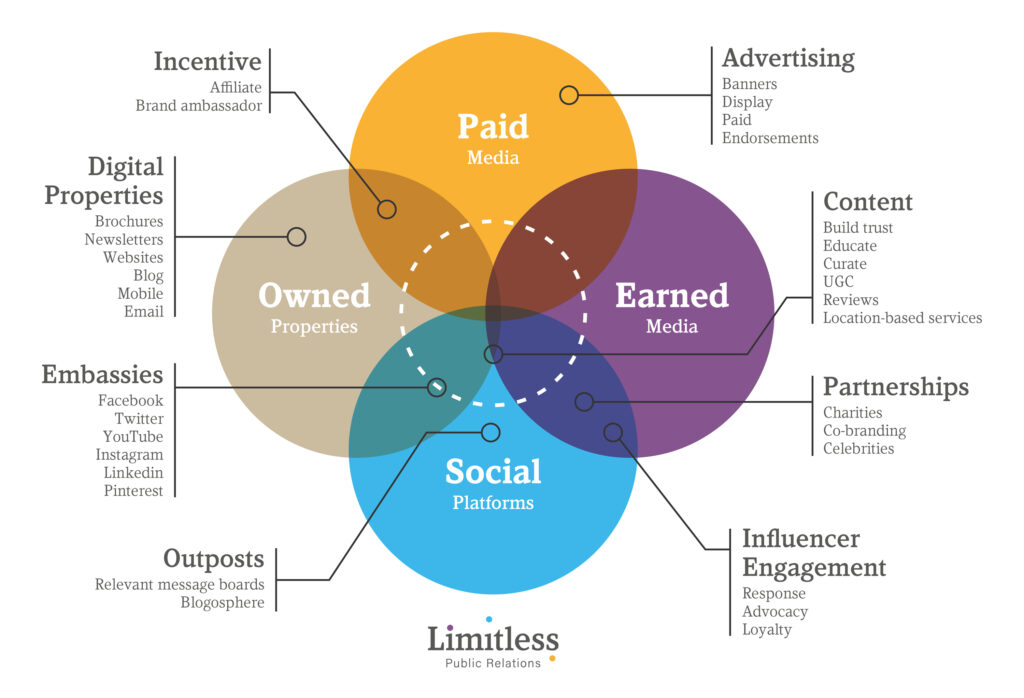
- Owned media is what you publish yourself: your website, blog, newsletter.
- Shared (i.e. social) media is rented space: governed by platform norms, algorithms and fleeting attention.
- Earned media is coverage you do not control, created by people whose job is not to serve your brand.
- Paid media is when you realise there can be a chequebook requirement to staying in absolute control of what others publish about you.
Many marketers have grown up in an environment where owned and shared media were all that mattered.
While paid media is almost a separate animal entirely, earned media is where the value is in the world of LLMs. And it derives its value from independence. If journalists simply echoed brand messaging, their work would be worthless to readers, and increasingly to AI systems trained to discount self-interested sources.
This is why earned media can feel uncomfortable to newcomers. Credibility comes precisely from the fact that scrutiny – sometimes aggressive – is built in.
Journalists are not marketers – and never will be
One of the most common mistakes newcomers make is assuming journalists care about marketing goals. They don’t.
Journalists care about:
- What’s new
- What’s true
- What’s relevant
- What matters to their audience
They are not interested in your funnel, your positioning statement or your quarterly targets. They are trained to interrogate claims, not amplify them.
This isn’t hostility. It’s professionalism.
Journalism is a vocation. It comes with norms, ethics and responsibilities that sit apart from brand building. Respecting that is not optional.
When PR works well, it’s because it understands this distinction and works with it, not against it.
The risks of “playing journalist”
In recent years, the lines between journalism, content and personal branding have blurred, sometimes unhelpfully.
High-profile “content platforms” that mimic journalistic formats without adopting journalistic discipline have shown what happens when editorial challenge is replaced by brand alignment. Interviews become vehicles for self-promotion. Claims go unchecked. Extremes attract attention precisely because nothing pushes back.
When self-promotional content creators (the types that like using the term CEO a lot for instance) come under scrutiny, it’s rarely about intent. It’s about structure. Journalism without independence, verification or accountability isn’t journalism. No matter how polished a podcast studio looks, shine without responsibility can come at a cost.
This matters for anyone entering earned media from a content background. The goal is not to perform journalism. It’s to engage with professionals who practice it properly.
PR is a grown-up discipline, and that shows in the process
Beyond philosophy, there are practical realities of earned media that often catch social-media natives off guard.
The first is permanence.
You can’t quietly edit a press release once it’s sent. You can’t retroactively clarify a quote once it’s published. Corrections, if they happen at all, are visible, and often draw more attention than the original error.
Which brings us to the second shock for many: APPROVALS. Written in caps for a reason so you don’t miss it.
In earned media, nothing should be issued without:
- Fact-checking
- Verification
- Internal sign-off from EVERYONE with reputational exposure
This can feel painfully slow to people used to publishing on instinct. But it exists for a reason. When the consequences are external and long-lasting, diligence matters more than speed.
And then there’s the highest bar of all: EDITORIAL INTEREST.
Also written in caps for good reason.
Journalists are not short of material. If what you’re offering isn’t genuinely interesting, original or insightful, it simply doesn’t get published. There is no courtesy reach. No participation trophy. No algorithm to game.
This is a hard adjustment for those accustomed to self-publishing. In the real media, your content is judged before its published. If it doesn’t pass the interest test, it just doesn’t run.
Newcomer basics
If you’re new to earned media, a few fundamentals will save you time and trouble:
- Earned media isn’t content. It’s actual news.
- Journalists aren’t interested in marketing. They’re professionals with a genuine obligation to inform.
- Credibility comes from the very fact you are not in control.
- The approval process exists because mistakes have an impact.
- If something isn’t genuinely interesting (to someone else), it won’t be published.
Earned media hasn’t come back into fashion because it’s easy. It has come back because, in a crowded and automated information environment, trust still has to be earned.
What is earned media?
Coverage secured through editorial merit rather than paid placement.
Why is earned media important?
It increases trust, improves search rankings via backlinks, and enhances brand authority.
What counts as earned media?
Press coverage, expert commentary, reviews, interviews, features, and organic online mentions.
