Limitless

Link strategies in PR: what really matters in the age of AI search

How backlinks, brand mentions and smart PR can work together for SEO and GEO

For as long as search engines have existed, links have been the part of the currency of visibility. When Google’s PageRank algorithm launched in the late 1990s, it treated links as “votes of confidence” – the more quality sites that linked to you, the more important you looked.

That logic turned link-building into an industry. In the early 2000s, SEO was dominated by tactics focused almost entirely on volume: link farms, article directories, reciprocal linking schemes and worse. Over time, Google cracked down with major updates (like Penguin) and shifted the emphasis from more links to better links: relevant, authoritative, earned.

Today, we’re going through another shift. AI-powered and generative search tools are changing how people discover brands. Instead of a list of blue links, users increasingly see summarised answers with a handful of citations – often drawn from trusted media and high-authority sites. Research into Generative Engine Optimisation (GEO) finds that generative search has a strong bias towards earned media and third-party sources – more so than traditional Google search.

So where does that leave link strategies in PR? Are backlinks still worth chasing? And how should SMEs think about links in press releases and media coverage in 2026?

A quick history: from any link will do – to authority signals everywhere

To understand where we are now, it’s worth briefly revisiting how we got here:

  • Early 2000s – the link gold rush
    Once PageRank became widely understood, SEOs realised that external links could push sites up the rankings. The result was a flood of low-quality tactics: link exchanges, spam directories, keyword-stuffed articles. Quantity often trumped quality.
  • 2010s – Google fights back
    Google rolled out a series of algorithm updates that targeted manipulative links, rewarding sites that earned links from relevant, trustworthy sources and penalising those relying on spam or paid schemes. The message was clear: natural, editorially-given links equals good; manufactured links equals bad.
  • 2020s – authority, context and brand matter more
    Modern SEO guidance consistently stresses that backlinks still matter – in fact, they remain one of the strongest signals of authority and trust. But the weight has shifted towards fewer, higher-quality links from relevant domains, supported by strong content and clear brand signals.

In parallel, AI-driven search has arrived. Large language models and generative engines don’t crawl the web in quite the same way as Google’s link graph. They infer authority from patterns in text, entity relationships and, crucially, the sources they choose to cite. Studies suggest that generative engines lean heavily on earned media and high-authority sites when deciding what to surface.

That means our concept of “link strategy” needs to widen. Traditional backlinks are still important – but they now sit alongside brand citations, mentions and context as part of a wider authority picture.

Links vs brand citations: what really matters now?

So, are links less important than they used to be? Recent analysis from SEO and GEO specialists paints a consistent picture:

  • Backlinks are still extremely powerful for SEO
    Quality backlinks are still among the top ranking signals for Google, especially as part of E-E-A-T.
  • AI search values mentions and citations as much as the link itself
    Large language models pay close attention to where and how your brand is mentioned, and which sources are talking about you.
  • Earned media plays an outsized role
    GEO research suggests that a high proportion of citations in AI answers come from earned media – the kind of coverage PR delivers.

The emerging consensus is that it’s not a choice between backlinks and AI citations. Both matter, but in different ways.

In practical terms for SMEs:

  • Links from credible media and relevant websites still help your organic rankings.
  • Brand mentions and citations in trusted outlets help you show up in AI summaries.
  • PR is one of the few disciplines that can drive both at once.

So yes – links are still valuable. But PR strategies now need to think in terms of authority signals, not just getting links.

Links in press releases: what to expect (and what not to)

This is where expectations can get misaligned. Many businesses assume that if they stuff a press release with keyword-rich links and push it out via a distribution service, they’ll get an SEO bump.

That’s not how it works. The key reason is it doesn’t matter what you put in your press release so much as what the journalist who publishes it keeps in.

Sensible expectations for clients

1. Include links – but for readers, not robots
Include homepage links, product pages, or campaign pages. They help journalists find what they need. If they think it’s valuable for the reader to keep them in, they might do. But this should not be an expectation. It should be seen as a bonus to the citation and brand-building value of the story.

2. Editors may strip or modify them
Newsrooms may remove links, change anchor text, or automatically add no-follow in their CMS. This is something you just have to accept. Journalists are not there to market your business. Never ever ask a hard news journalist to add a link to your coverage. It’s the equivalent of asking a policeman to pop to McDonald’s for you. It shows a deeply disrespectful, and potentially dangerous misunderstanding of their role in the world. 

3. Don’t over-optimise text
Overly keyword-stuffed text might work against you. If you describe your business as a “tax efficiency strategist and financial services and solutions provider” a journalist will just change that to “accountancy firm” if they know that’s what you actually are, or just bin the release because they cannot be bothered working out what you actually do. Use natural phrasing and brand names.

4. The real SEO value is in actual coverage – not hosting on newswires
The press release might be optimised to the hilt, but will have zero affect on rankings if it is not published. The value comes when journalists write a story off the back of your release and choose to link voluntarily.

PR tactics that make journalists want to link

If you want journalists to keep your links in – and even better, add their own – the question becomes: Have we given them a good reason to link? There are ways to do this, but they require dedicated extra effort and possibly investment. Options include: 

Create data or insight hubs

  • Commission a survey, publish full results and methodology, and use the press release to highlight key findings while linking to the full data. Editors will often link when it adds genuine value.

Build evergreen resources and explainers

  • Create: industry benchmarks, plain-English explainers, toolkits or glossaries. If these resources are helpful, journalists have a clear incentive to link.

Offer visual or interactive assets

  • Examples: calculators, interactive maps, downloadable tools. If the full interactive experience is only available on your website, journalists are much more likely to link.

Make your content machine-readable as well as human-friendly

  • Clear structure, headings, descriptions, and schema markup make it easier for both search engines and generative AI to understand and cite your content.

This is where PR, SEO and GEO intersect. 

  • PR earns the coverage
  • SEO ensures the linked-to content is technically strong
  • GEO benefits when your brand is consistently cited in trusted sources

What this means for PR strategy for SMEs

For SMEs, the takeaway isn’t links don’t matter anymore: it’s far from it, but links alone are not the goal – authority is.

In practical terms:

  • Treat links as a by-product of doing PR well.
  • Build campaigns that generate editorial coverage and host link-worthy assets.
  • Include links in press releases, but set realistic expectations about how editors will handle them.
  • Invest in content that journalists and AI search tools both regard as useful and trustworthy.

Get this right, and you’ll build a visibility engine that works across traditional SEO, AI-powered search and human audiences. Links will still matter – but alongside brand citations, earned media and genuine authority.

How to maximise media coverage for your business 

Interest in PR – or even more specifically Earned Media – is at an all-time high thanks in part to the advent of AI-powered search and the fundamental role real media coverage plays in getting Large Language Models’ (LLM) respect. 

According to PRWeek, brands featured in authoritative editorial sources are now much more likely to appear in AI-driven search summaries. So, being talked about credibly in the media doesn’t just impress human readers, it impresses the very algorithms that determine what those humans even see based on what they search. 

Earned Media has therefore gone, almost overnight, from something previously seen as the reserve of brand-building companies – to an essential for anyone who wants to be found online.  

What is “Earned Media” anyway? 

A quick explanation for the term Earned Media is “newspapers and magazines, TV and radio”. Not the ads, but the articles and programmes themselves. Essentially, the bits people actually want to read or watch, not the stuff at the edges or in between. 

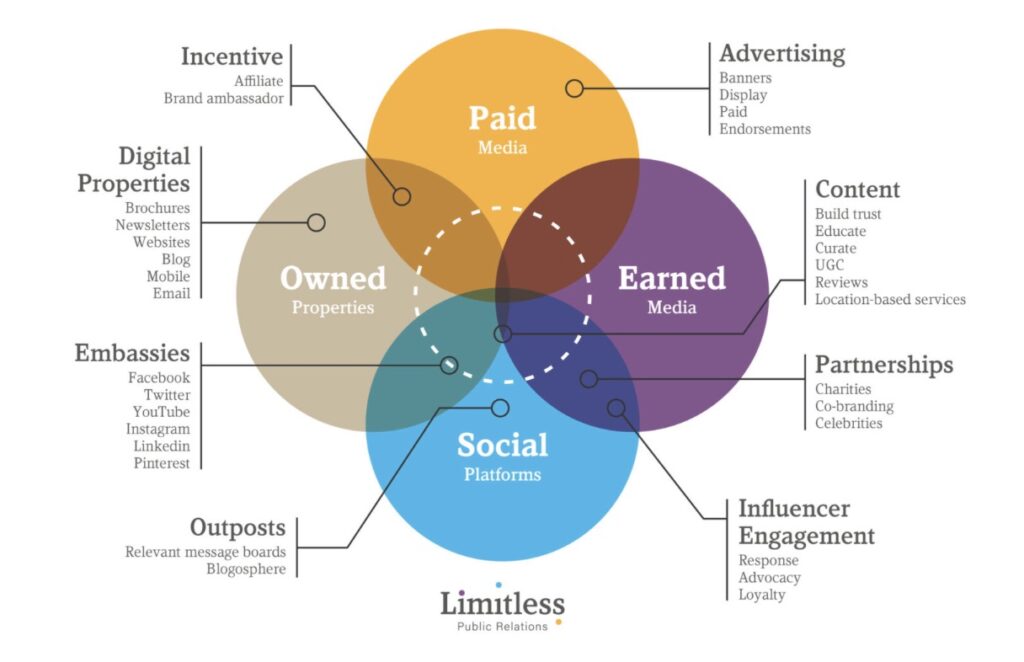
The term itself comes from the well-established PESO (Paid Earned Shared Owned) model, created by Gini Dietrich at Spin Sucks, for effective brand communication. 

While it’s possible to get coverage in media through Paid ads, Earned refers to getting covered in the articles themselves, not by paying cash, but through a “value exchange” of making a journalist’s day just a tiny bit easier by providing them with content that is useful and interesting to their audience. 

So how is it done? 

1. Think like a journalist, not a marketer 

The first rule of good Earned media relations is simple but often ignored: journalists are not there to market your business. Their loyalty is to their audience, not your brand – or any kind of marketing. They don’t care about marketing… at all. They care about stories and valuable insights. 

Editors are deluged with stories daily. They’re looking for relevance, impact, and human interest, not corporate messages. As the BBC’s own editorial guidance makes clear, the test for inclusion is whether a story “adds something meaningful for the public” not whether it’s good for a company’s profile. 

Less formally, the BBC local news test has been quoted as “the pub test”. If you told this story to a person in a pub, would they be interested? If not, drop it. 

So, when planning your media outreach, ask yourself: 

  • What’s genuinely new, surprising, or useful in what we’re saying? 
  • How does this story connect to a bigger theme – a local issue, a sector challenge, or a human story? 
  • Why would this outlet’s audience be interested? 

If your pitch answers those questions, you’ve already increased your odds of coverage. Instead of thinking “how do we promote our product?”, think “how do we help a journalist tell a better story?” 

2. Know the difference between news and features 

Understanding what kind of story you’re offering is critical. There’s a world of difference between a news release and a feature idea. And the way you frame them should reflect that. 

News is about what’s happening now: a product launch, a major contract, a new appointment, a milestone, an award. It needs immediacy and clarity. A good press release should: 

  • Lead with the essential facts (who, what, when, where, why). 
  • Include a quote that adds context or insight, not just enthusiasm. 
  • Avoid corporate jargon. 
  • Attach strong visuals (more on that later). 

Features, by contrast, are longer-term and more thematic. They explore why something is happening or what it says about a wider trend. For example: 

  • News: “Lancashire engineering firm wins £2m export contract.” 
  • Feature: “How northern manufacturers are carving out new export markets post-Brexit.” 

If news gets you mentioned, features build your authority. They allow space for commentary, data, and narrative – the stuff that turns a company name into a trusted voice. 

A balanced PR strategy should combine both. Use News to show activity and momentum, and Features to show expertise and substance. 

3. Engage with the news agenda 

Great PR isn’t just about pushing out information, it’s about joining conversations that are already happening. 

When something relevant breaks in your sector, having an informed spokesperson ready to offer perspective can elevate your visibility overnight. Journalists value businesses that are fast, articulate, and quotable. 

To make that work in practice: 

  • Track your sector’s news daily. Look for opportunities to provide expert comment. 
  • Develop a clear media profile for your spokesperson: what topics can they credibly speak about? 
  • Respond quickly. Newsrooms move fast; being first and relevant matters more than being perfect. 
  • Keep commentary tight and topical. Aim to inform, not advertise. 

Over time, this kind of visibility establishes your business as a go-to voice for journalists. That consistency is what turns one-off mentions into recurring media relationships and recurring relationships into lasting authority. 

4. Start local to go national 

For UK SMEs, local media is often the smartest entry point into the national conversation. 

Regional outlets across print, online, and broadcast are deeply connected to their communities. They’re also trusted by national journalists as a rich source of human-interest stories and business leads. 

Getting covered locally not only strengthens your visibility in your area but also makes you discoverable when national media are researching sources. 

Again, put yourself in the position of a journalist researching a national story. Would you call someone who hasn’t even featured in their local press? 

The same works from a proactive angle. If you pitch a story or contributor to a national media outlet, what you are saying will sound a lot more credible if that journalist can see what you are saying has already been echoed in local press. It’s almost like PR-ing your PR. 

The rule of thumb: treat local media not as second-tier, but as your basic “starter for 10”. Regional journalists are accessible, receptive, and looking for stories that show enterprise, creativity, or community impact. Get that right, and the national visibility often follows naturally. 

5. Strong visuals make the difference 

Okay, this is going to sound controversial, but it’s true.  

A strong story with a great picture will almost definitely be published, if targeted to the right media.  

A very strong story, with no picture, will still very likely be published. But will lose page impact, and, may end up being accompanied by a stock picture you don’t like.  

However, a medium story with a great picture still has a good chance of being published. 

A medium story, with a weak picture, has a very low likelihood of getting published. 

A weak story with a poor picture will almost certainly not be published. 

But, a weak story with a great picture… has a decent chance of being published.   

In short, pictures matter (as best-selling author and acclaimed photographer, Brian Lloyd Duckett, says in this blog on how photography plays an important part in forming opinions). And a great picture can very often be the main reason a story gets published at all. It will certainly improve its likely position on the page. 

Photo by Brian Lloyd Ducket

Good media photography isn’t about glamour – it’s about clarity, quality and context. 

  • Never use stock imagery. Editors and readers can spot it instantly and it’s extremely likely you are breaching the copyright small print of the website where you bought it by providing it with a press release, whereby there is an unspoken understanding you are granting others the right to reproduce it (which is illegal if you don’t own the right to). 
  • Provide original, high-resolution, well-lit images, showing real people and authentic settings.  
  • Supply captions and names: this helps both human editors and AI systems index the image correctly. 
  • Include options if you can, a landscape, a portrait, a team shot, so editors can choose what fits their layout. But remember each option must work as the shot, not be provided as a combination. 
  • Most importantly, the shot should “tell the story”. The very best shots tell the story without you even having to read the accompanying article. 

Publications are increasingly under-resourced. If you make your story visually ready to publish, you’re not just being helpful, you’re making it easier for a journalist to say “yes”. Photos should look exactly like the kind of photo the publication would take if they sent along their own photographer. 

Bringing it all together 

Traditionally, PR has been seen as an optional extra for small businesses who want to sell a bit more than they would otherwise. 

But PR has never been an optional extra for businesses that want to grow. For these kinds of businesses, it has always been essential. It’s the foundation of visibility, credibility and long-term brand value. 

What’s new is that AI-powered search has made that visibility more measurable and more valuable than ever. When trusted media outlets mention your company, they’re not just boosting your reputation, they’re signalling to algorithms that your brand is authoritative. 

For SMEs, that means now is the moment to invest in earned media: 

  • Build relationships with journalists before you need them. 
  • Think in stories, not sales messages. 
  • Use local coverage as your credibility engine. 
  • Ensure every piece of content – words and images – is publication-ready. 

Do it consistently and strategically, and your business won’t just be more visible to editors and audiences. It will be visible to the very systems that shape how people discover and trust brands in the digital era. 

GEO: The impact of AI on the role of earned PR for SMEs

If you have used Google recently, you will have experienced firsthand how AI has transformed the search experience. In search marketing, the widespread use of AI Summaries is altering how consumers find brands and prompting a reassessment of established digital strategies.

From SEO to GEO: the new rules of visibility

Search engine optimisation (SEO) has traditionally been used to increase online visibility. With the development of artificial intelligence, a new approach called Generative Engine Optimisation (GEO) is emerging. Instead of delivering lists of clickable links as search engines have previously done, AI-powered search tools now provide summaries based on information from various sources and may include generated perspectives.

This shift to zero-click search means users may never reach your website at all. Instead, the AI assistant is making up its mind about your brand by reading everything else that’s been written about you online, from news articles and customer reviews to industry blogs and analyst insights.

That’s where PR comes into its own.

Why PR matters more than ever

Public relations has consistently benefited traditional SEO, especially through effective link strategies. Before AI, Google’s algorithms already valued online brand buzz in rankings. GEO now amplifies this effect.

The performance of GEO depends on the way Large Language Models (LLMs) process and understand information. These models are typically trained to give preference to reliable third-party sources instead of web content that promotes an organisation. As a result, brands mentioned in editorial coverage from reputable sources are more likely to be recommended or referenced by AI systems.

As PRWeek noted in a recent celebratory headline, the PR industry is now “sitting on a goldmine”. Many aspects that GEO incentivises – such as earned media, authoritative features, and press releases – are traditionally part of public relations activities. Marketing teams that understand and embrace this can gain a serious competitive advantage.

And as one strategist put it in Entrepreneur: “That’s why editorial media coverage remains the most powerful tool in modern PR – and it matters now more than ever. There are two core elements here: high-quality editorial features and press releases.”

The key shift: authority beats ownership

Think of it this way: Google used to reward what you said about yourself. AI now rewards what others say about you. This fundamental change means PR is no longer just about visibility: it’s about measurable impact.

It’s also worth noting that AI isn’t just repeating facts. It’s curating and interpreting content, so if your brand isn’t appearing in authoritative, context-rich environments, you risk being left out of the conversation entirely.

So, what should we do?

In today’s landscape, earned media isn’t just influential – it’s essential for algorithms. PR and SEO must work together.

But, a word to the wise: public relations is not a quick fix or an easy “bolt on”. For something now so impactful in the digital world, PR remains a surprisingly human activity.

It’s not about pushing out content on autopilot. It’s about creating authentic, valuable stories that deserve coverage in trusted media – content that earns AI’s recognition while strengthening the human-facing credibility that PR is built on.

A key mantra is: if it works for a human, it will work for AI. Quality and authenticity are everything.

Brightsolid and Synergi announce acquisition

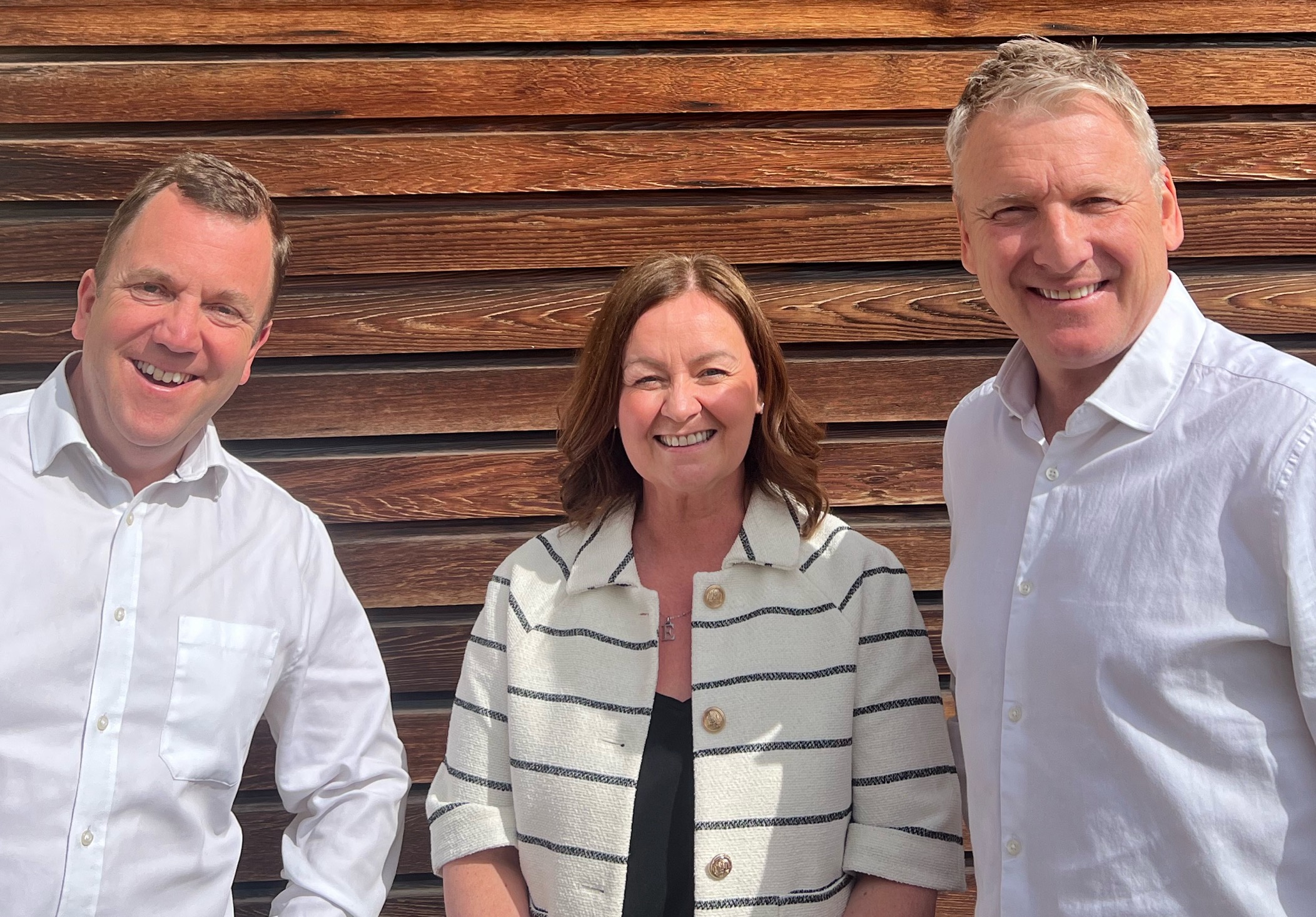
Limitless Public Relations’ client, the cloud services company Brightsolid, has announced its full acquisition of Gateshead-based IT solutions provider Synergi.

Established over 25 years as part of DC Thomson, Brightsolid is a leading managed hybrid cloud and cyber security services provider, with customers including Aberdeenshire Council, Dumfries and Galloway Council, Dundee City Council, Shell, University of Dundee and West Yorkshire Combined Authority.

Founded in 2013 and having grown since to a team of 59, Synergi works in a wide range of sectors providing solutions including automation, modern intranet and teamwork solutions, cyber security, data & AI, business applications and devices, with clients including Princes, NHS Highland, Arriva, Lothian Buses and Scottish Fire & Rescue Service.

Following the acquisition, Synergi will continue to operate under its existing brand with no disruption to its customers or team.

Brightsolid CEO Elaine Maddison said: “Over the past year, Brightsolid has been actively looking for an organisation that can extend our range of services and support our growth plans across the UK. As a highly successful Microsoft Partner, Synergi does all of that, and more. The culture and people are a brilliant fit for Brightsolid and we anticipate growth opportunities for both brands going forwards.” 

Synergi cofounder and CEO Peter Joynson said: “Whilst we’ve been approached by buyers previously, we feel that the alignment and cultural fit Brightsolid provides make them a truly perfect match – a great bunch of positive, friendly and very smart people.

“Brightsolid specialises in cloud, colocation, cyber resilience and business continuity, so there are going to be lots of opportunities for us to work together to grow both companies, helping us meet our ongoing commitments to the business and our combined future success.”

For more information go to www.brightsolid.com or www.teamsynergi.co.uk.

Iwan Jones appointed chief financial officer of NW Mutual

Iwan Jones has been appointed chief financial officer of NW Mutual, a mutual bank with a proposed network of 60-plus branches to be owned by, based in and for the people and small and medium-sized businesses of the north west of England. 

A financial services executive with more than 30 years of experience, Iwan has worked at organisations including Lloyds Banking Group, Barclays, NatWest, JP Morgan Chase and Deutsche Bank. 

He has also been chief risk officer at Saffron Building Society, deputy financial director with Principality Building Society and most recently, financial director at Monmouthshire Building Society. 

His appointment by NW Mutual follows the announcement of a network of approximately 60 proposed branches of the mutual around the north west, including 16 in Lancashire, 20-plus for Greater Manchester, 12 around Liverpool and Merseyside, another 10 in Cheshire and six for Cumbria. 

The ‘bricks, clicks and flicks’ business model of NW Mutual will deliver hi-tech and staffed branches, complemented by mobile and online banking, providing retail and small and medium-sized enterprise (SME) customers with a full range of financial products and services. 

The location of the headquarters of the mutual bank, headed by senior financial services executive Dave Burke, is yet to be confirmed but will be in the north west and is due to open in the second quarter of 2025. 

Dave said: “Iwan’s wealth of experience in banks and building societies will be invaluable to progressing our plan to provide a mutual bank owned by and dedicated to delivering services for the people and small and medium-sized businesses of the north west of England.” 

Dave joined NW Mutual Ltd, a co-operative society launched in response to more than 50 per cent of traditional bank branches in the region having closed and the lack of banks based in and serving the people, business and organisations in the region. 

While Lloyds Banking Group recently announced the closure of another 136 branches by March 2026, consumer group Which? said banks and building societies had closed a total of 6,266 branches since January 2015, equating to about 53 closures every month. 

NW Mutual’s target market is about 7.4 million people and 494,395 small and medium-sized businesses (SMEs) in the region employing more than 1.65 million people and generating turnover in excess of £239 billion in 2024. * Source – Table 12 in Government publication Business Population Estimates for the UK and Regions 2024. 

David Milner, chair of NW Mutual Ltd, is an executive and non-executive director of regulated financial services companies, including being chairman of Dudley Building Society and Nottingham Imperial Building Society. 

Non-executive director James Moore has more than 25 years of boardroom experience with private and public businesses in sectors including financial services in the UK, China, Europe and Africa while also founding the Community Savings Bank Association. 

Having already registered NW Mutual Ltd with the Financial Conduct Authority (FCA), regulator of financial services firms and markets in the UK, David is preparing a banking licence application to submit to the Bank of England in late 2025. 

If the licence is granted the first branch is planned to open in the third quarter of 2026, with a full roll-out proposed for the first quarter of 2027. 

About £1m has been invested to build the systems and financial model of NW Mutual, prepare the banking licence application and analysis of its market.  

Potential and yet to be confirmed locations for branches of NW Mutual:

Lancashire: Preston, Accrington, Blackburn, Blackpool, Burnley, Clitheroe, Chorley, Lancaster, Leyland, Lytham St Annes, Morecambe, Nelson, Rawtenstall, Fleetwood, Garstang, Skelmersdale. 

Greater Manchester: Altrincham, Ashton-under-Lyne, Bolton, Bury, Droylsden, Eccles, Hyde, Harpurhey, Hyde, Leigh, Longsight, Manchester, Manchester Victoria, Oldham, Rochdale, Sale, Salford, Stockport, Stretford, Urmston, Wigan, Wythenshawe. 

Liverpool and Merseyside: Bebington, Birkenhead, Bootle, Crosby, Formby, Huyton, Kirkby, Knowsley, Liverpool, Prescot, Speke, St Helens. 

Cheshire: Chester, Crewe, Ellesmere Port, Knutsford, Macclesfield, Northwich, Runcorn, Warrington, Widnes, Winsford. 

Cumbria: Barrow-in-Furness, Carlisle, Kendal, Keswick, Penrith, Whitehaven. 

Hit or miss: what makes a story stand out in today’s crowded media landscape?

The online media landscape is becoming increasingly challenging to navigate – both for readers and for PR professionals trying to get their stories published.

At Limitless PR, our specialists focus on what makes a story stand out to journalists. With news platforms under pressure, they’re more selective than ever about the content they run. To cut through the noise, a story must grab attention, add value, and be truly irresistible to the media. That means crafting narratives that are timely, relevant, and backed by compelling insights. 

Four communications specialists from Limitless Public Relations explore what makes a story a PR hit – what grabs attention, adds value, and makes it irresistible to the media.

Greg Wilson - Strategic Communications - Limitless PR

Greg Wilson, director, said:

“Know your audience. Read the publications where you want to get the story published and make sure the story fits with their news agenda and format. Write the story as close as possible to the exact house style of your target media to make it as easy as possible for the journalist to pick it up. It should be possible for them to simply cut and paste the article if they want to. 

“Also, remember the power of photography. A great picture that brightens up the page will make the story much more attractive. Your photo should tell the story itself, as much as possible.”


Associate director Mark Sutcliffe emphasises the importance of asking the right questions when evaluating a story’s potential:

“A strong PR story answers key questions: What’s happening? Why is it important? Why now, especially for news-focused publications? What impact does it have on the wider community or sector, and what are the potential consequences? 

“Alongside this, providing a pre-digested, social media-friendly shareable – whether an image, video, or concise one-line summary – can make a story more appealing and easier for journalists to run with. In the past, this would have been called a standfirst, but today, it’s about creating content that is instantly engaging across multiple platforms.”


Justin Strong, associate director at Limitless, said:

“Keep it short and simple: tell the ‘story’ in the subject bar on your email, the headline of your press release, and the first three paragraphs. Everything after that, including quotes, supports and embellishes your key messages. 

“Never, ever start a quote with “We’re delighted…” It’s a statement of the bleedin’ obvious! And some publications won’t publish quotes that begin with this opening.”


Claire Stephenson - Limitless PR - Strategic Communications

Claire Stephenson, associate director at Limitless Public Relations, said:

“When crafting a press release, ask yourself: is it adding value or just adding to the noise? The world doesn’t need more content for the sake of it; it needs content that matters. Just because something is interesting to you doesn’t mean it will be newsworthy to a journalist! 

“To increase your chances of coverage, take the time to read the publication you’re pitching to and understand the topics the journalist actually covers. A well-targeted, relevant story stands a far better chance of making an impact than a generic pitch hurled into the void.”


Only the most compelling stories make an impact in a world overflowing with content. To cut through the noise, your narrative must not only grab attention but also add real value, making it impossible for the media to ignore. That’s where we come in. With a deep understanding of what drives engagement, we craft timely, relevant, and insight-led stories that get noticed. 

If you’re looking for extra power in your campaigns, contact us here for a chat. We’d love to help you take your communications to the next level. 

The power of clear communication: building trust in any business

Whether you’re running a large organisation, or a small business of just one person, clear, authentic communication is more crucial than ever. Building trust is the foundation of every relationship, and without it, even the best strategies can fall flat. 

In their 2024 Trust in Business Survey report, PwC found that:

  • 61% of consumers have recommended a company they trust to friends or family. 
  • Consumers also spend more at companies they trust — 46% purchased more, and 28% paid a premium. 
  • Four in 10 customers no longer purchase from a company due to lack of trust.

With public trust in institutions declining, improving and maintaining trust in business is at a premium.

Here are three essential ways to elevate your communication and build lasting trust with your audiences:

1. Be transparent  

Honesty always wins. When you’re upfront with your audiences, they feel more connected and secure in their relationship with you. Keeping communication open, even when the message is tough, shows your authenticity. It’s about telling the real story, no spin! Transparency invites trust by showing you’re willing to share the full picture, like the old Ronseal strapline: does exactly what it says on the tin.

 2. Practice active listening  

Great communication isn’t just about talking; it’s about listening. Responding thoughtfully to concerns or feedback demonstrates that you genuinely care about your audience’s needs. Listening and acknowledging others’ perspectives not only improves your relationship with them, but also builds long-term loyalty.

 3. Stay consistent  

Consistency is critical to building reliability. When your messaging is clear, cohesive, and steady across all channels, people know they can count on you. This reliability forms the backbone of trust, as your audience starts to see you as dependable, no matter the circumstances.

Building trust takes time and effort, but the payoff is definitely worth it. Need more advice on how to improve your strategic communications? We’re here to help! Drop us a message via the contact form or call 0845 625 0820.

BAKO acquires Finlay’s Foods

BAKO Group Limited has announced its full acquisition of James A.S. Finlay Limited, trading as Finlay’s Foods, as of 4th April 2024.

With a multi-temperature fleet of over 70 vehicles, BAKO provides independent bakers and caterers with a wide range of ingredients and finished products from quality suppliers, as well as its own BAKO Select branded range, through its depots in Preston, Durham and Wimbledon, employing 312 people across all three sites.

Founded 60 years ago in 1976, BAKO is recognised as a key organisation within the UK bakery industry supply chain and is owned by over 694 shareholders, all of whom are bakers.

Finlay’s Foods has become a leading name in the Irish bakery trade, employing approximately 60 at its purpose-built site in Craigavon. As a manufacturer and distributor of ingredients to the bakery and general food industry, its customer base extends throughout Northern Ireland into the Republic of Ireland, as well as the wider UK, Europe and Asia.

Following the acquisition by BAKO, Finlay’s Foods will continue trading under its existing brand as part of BAKO Group.

BAKO CEO Mike Tully said: “This acquisition opens up new markets for us in Northern Ireland and beyond, offering significant growth opportunities. Finlay’s Foods has established a strong presence and loyal customer base, which we intend to build upon and expand.

“By integrating Finlay’s Foods’ product line with our own, we are able to diversify our offerings and enhance our competitive edge. Their expertise in bakery products complements our current portfolio and opens up a wide range of cross-selling opportunities.

“Bringing Finlay’s Foods into the BAKO family will also provide substantial operational advantages, including optimised supply chains, shared resources, and enhanced production capabilities. 

“The additional resources and capabilities from this acquisition provide us with the ability to accelerate innovation and drive growth, aligning with our commitment to offering high-quality products and services and exploring new market segments.”

Finlay’s Foods Sales Director Patrick Gracey said: “We are excited that Finlay’s Foods is now part of the BAKO Group. Finlay’s has had a long-standing relationship with Bako both as a customer and supplier for over 20 years. This is a natural evolution that benefits both companies and will enable us to build on our customer-focused approach, facilitating the delivery of more choice opportunities and benefits to our loyal customer base.

“Partnering with such a major force and leading light within the UK bakery industry is the start of an exciting journey for both Finlay’s and our customers. Bako’s motto  ‘By Bakers, for Bakers’ symbolises a passion and commitment to the industry that synergises with our own long-term ethos, and we are delighted to be part of this family of companies. We look forward to our journey ahead under the umbrella of such a trusted trade partner.”

Topping out ceremony at Preston’s £45m+ Animate leisure complex 

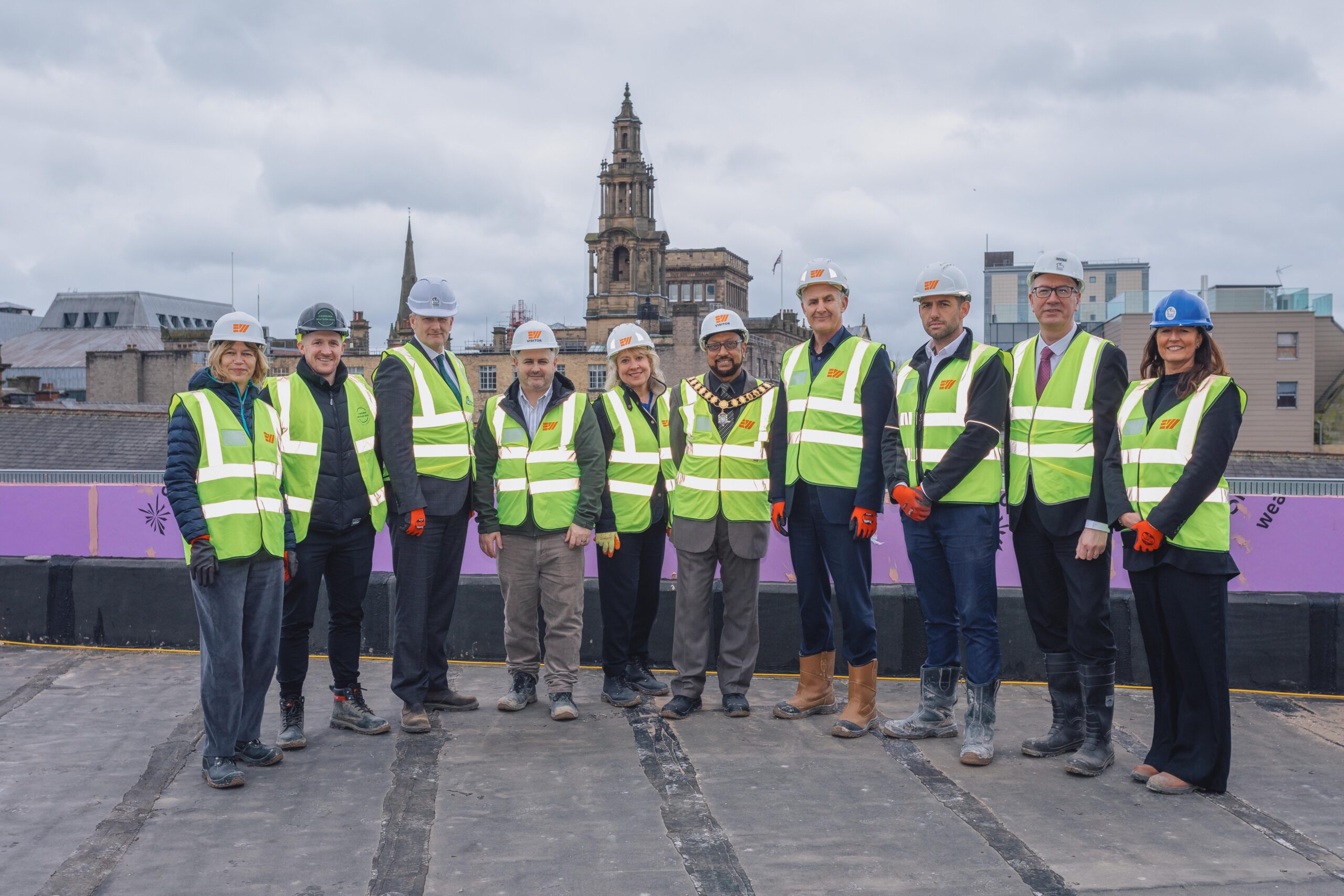
A topping-out ceremony has been held to mark the highest point of the build at Preston’s Animate leisure complex, the latest milestone in the £45 million+ scheme, one of six major projects planned under Preston’s Harris Quarter Towns Fund Investment Programme. 

Preston was awarded £20.9m from the Government’s national Towns Fund initiative in March 2021, and the Harris Quarter is a unique part of the city centre undergoing a £200m investment programme to transform its historic buildings, sites and public realm into a diverse culture, leisure and employment offering.

Animate is being brought forward by Maple Grove Developments, part of Preston-based contractor Eric Wright Group, in partnership with Preston City Council.

The leisure complex is being built on the site of the former indoor market and car park and is due to open to the public in early 2025.

Almost fully pre-let, Animate will feature an eight-screen cinema, a 16-lane bowling alley with a gaming zone, five family restaurant units, a food hall, a public realm, a competitive socialising unit and a 164-space basement car park, with national leisure brands including Hollywood Bowl, ARC Cinemas, Zizzi, Cosmo, Las Iguanas and Loungers already signed up as tenants.

Those attending the topping out included Cllr Matthew Brown, leader of Preston City Council, Adrian Phillips, chief executive of the City Council, John Chesworth, chair of Preston Towns Fund Strategic Board and Karen Hirst, managing director of Maple Grove Developments.

Councillor Matthew Brown, leader of Preston City Council, added:

“Animate is the flagship project of the Harris Quarter regeneration programme, heralding a new era for Preston and its residents. Owned by the city council to benefit local people, the construction of Animate has involved local contractors and enhanced the skills and learning of young people with essential on-the-job experience.

“Crucially, such development and regeneration forms a key part of the council’s commitment to Community Wealth Building, designed to create a resilient and inclusive economy to benefit the whole area by offering an opportunity for local people to take back control while working with local institutions.”

John Chesworth, Chair of Preston Towns Fund Strategic Board, said:  

“The topping out represents another key moment in the delivery of Animate and in the ongoing renaissance of Preston as we progress our wider plans to create places for people.  

“Having secured high-profile and established national leisure brands, Animate will provide an unrivalled offering of activities to drive footfall and wider economic benefits for Preston and surrounding areas.”

Karen Hirst, managing director of Maple Grove Developments, development partner of Preston City Councilconcluded:

“This milestone in the delivery of Animate marks the highest point of the build and the successful culmination of the collaborative efforts of the client, design, and construction teams.

“Animate is an exemplar of what can be achieved when the public and private sectors work together in partnership to great effect for the wider community and economy of Preston.”

New website for leading Scottish tourist attraction

Ireland Consulting has launched a new website for Forth Boat Tours following the success of its digital marketing campaign promoting the previous website for the award-winning Scottish visitor attraction.

Forth Boat Tours provides cruise packages along the Firth of Forth and Three Bridges, a UNESCO World Heritage site, and has been voted Best Day Out in Scotland in the Days Out with Kids Awards and Best Hidden Gem in the Remarkable Venue Awards.

Launched in 2022 by a former group account director and head of client services at Fat Media, Kendal-based Ireland Consulting provides marketing consultancy, brand development, website development and digital marketing to clients across the UK.

On launching the new website for Forth Boat Tours, agency head Ian Ireland said: “It has been a real pleasure helping to modernise the digital presence of one of Scotland’s leading tourist attractions.

“Prior to the new launch, our work involved an initial period of technical optimisation to improve search engine visibility – a considerable task given the size and complexity of the website.

“However, within the first three months, we had improved average search positions by more than forty places and increased traffic to the website by more than two hundred percent.

“With the site optimised for search, we have now delivered a major overhaul of the website’s user experience and front-end design, aimed to maximise customer conversion of visitors to the site.

“With the new site up and running, we are now set to launch an extensive digital and social advertising campaign to drive further traffic to Forth Boat Tours various cruise packages.” For further information go to: www.irelandconsulting.co.uk or www.forthtours.com