


How to maximise media coverage for your business
Interest in PR – or even more specifically Earned Media – is at an all-time high thanks in part to the advent of AI-powered search and the fundamental role real media coverage plays in getting Large Language Models’ (LLM) respect.
According to PRWeek, brands featured in authoritative editorial sources are now much more likely to appear in AI-driven search summaries. So, being talked about credibly in the media doesn’t just impress human readers, it impresses the very algorithms that determine what those humans even see based on what they search.
Earned Media has therefore gone, almost overnight, from something previously seen as the reserve of brand-building companies – to an essential for anyone who wants to be found online.
What is “Earned Media” anyway?
A quick explanation for the term Earned Media is “newspapers and magazines, TV and radio”. Not the ads, but the articles and programmes themselves. Essentially, the bits people actually want to read or watch, not the stuff at the edges or in between.
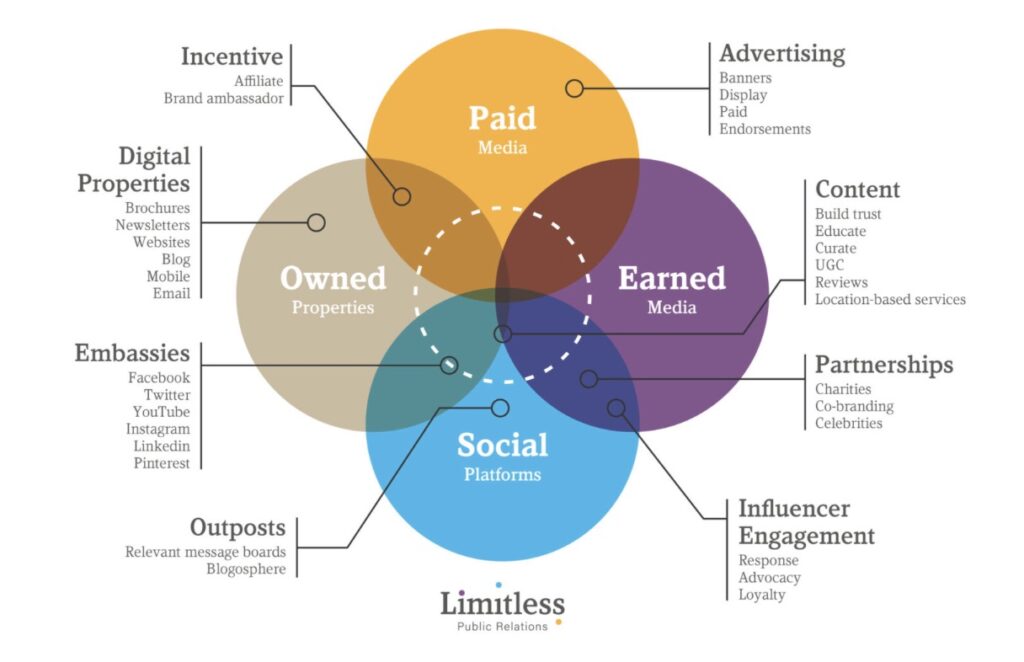
The term itself comes from the well-established PESO (Paid Earned Shared Owned) model, created by Gini Dietrich at Spin Sucks, for effective brand communication.
While it’s possible to get coverage in media through Paid ads, Earned refers to getting covered in the articles themselves, not by paying cash, but through a “value exchange” of making a journalist’s day just a tiny bit easier by providing them with content that is useful and interesting to their audience.
So how is it done?
1. Think like a journalist, not a marketer
The first rule of good Earned media relations is simple but often ignored: journalists are not there to market your business. Their loyalty is to their audience, not your brand – or any kind of marketing. They don’t care about marketing… at all. They care about stories and valuable insights.
Editors are deluged with stories daily. They’re looking for relevance, impact, and human interest, not corporate messages. As the BBC’s own editorial guidance makes clear, the test for inclusion is whether a story “adds something meaningful for the public” not whether it’s good for a company’s profile.
Less formally, the BBC local news test has been quoted as “the pub test”. If you told this story to a person in a pub, would they be interested? If not, drop it.
So, when planning your media outreach, ask yourself:
- What’s genuinely new, surprising, or useful in what we’re saying?
- How does this story connect to a bigger theme – a local issue, a sector challenge, or a human story?
- Why would this outlet’s audience be interested?
If your pitch answers those questions, you’ve already increased your odds of coverage. Instead of thinking “how do we promote our product?”, think “how do we help a journalist tell a better story?”
2. Know the difference between news and features
Understanding what kind of story you’re offering is critical. There’s a world of difference between a news release and a feature idea. And the way you frame them should reflect that.
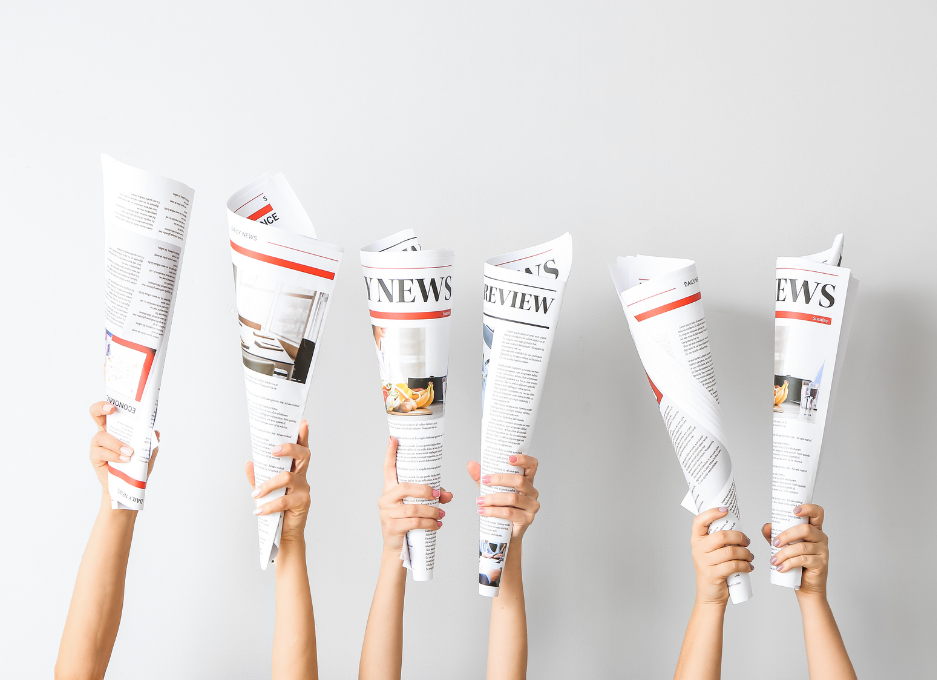
News is about what’s happening now: a product launch, a major contract, a new appointment, a milestone, an award. It needs immediacy and clarity. A good press release should:
- Lead with the essential facts (who, what, when, where, why).
- Include a quote that adds context or insight, not just enthusiasm.
- Avoid corporate jargon.
- Attach strong visuals (more on that later).
Features, by contrast, are longer-term and more thematic. They explore why something is happening or what it says about a wider trend. For example:
- News: “Lancashire engineering firm wins £2m export contract.”
- Feature: “How northern manufacturers are carving out new export markets post-Brexit.”
If news gets you mentioned, features build your authority. They allow space for commentary, data, and narrative – the stuff that turns a company name into a trusted voice.
A balanced PR strategy should combine both. Use News to show activity and momentum, and Features to show expertise and substance.
3. Engage with the news agenda
Great PR isn’t just about pushing out information, it’s about joining conversations that are already happening.
When something relevant breaks in your sector, having an informed spokesperson ready to offer perspective can elevate your visibility overnight. Journalists value businesses that are fast, articulate, and quotable.
To make that work in practice:
- Track your sector’s news daily. Look for opportunities to provide expert comment.
- Develop a clear media profile for your spokesperson: what topics can they credibly speak about?
- Respond quickly. Newsrooms move fast; being first and relevant matters more than being perfect.
- Keep commentary tight and topical. Aim to inform, not advertise.
Over time, this kind of visibility establishes your business as a go-to voice for journalists. That consistency is what turns one-off mentions into recurring media relationships and recurring relationships into lasting authority.
4. Start local to go national
For UK SMEs, local media is often the smartest entry point into the national conversation.
Regional outlets across print, online, and broadcast are deeply connected to their communities. They’re also trusted by national journalists as a rich source of human-interest stories and business leads.
Getting covered locally not only strengthens your visibility in your area but also makes you discoverable when national media are researching sources.
Again, put yourself in the position of a journalist researching a national story. Would you call someone who hasn’t even featured in their local press?
The same works from a proactive angle. If you pitch a story or contributor to a national media outlet, what you are saying will sound a lot more credible if that journalist can see what you are saying has already been echoed in local press. It’s almost like PR-ing your PR.
The rule of thumb: treat local media not as second-tier, but as your basic “starter for 10”. Regional journalists are accessible, receptive, and looking for stories that show enterprise, creativity, or community impact. Get that right, and the national visibility often follows naturally.
5. Strong visuals make the difference
Okay, this is going to sound controversial, but it’s true.
A strong story with a great picture will almost definitely be published, if targeted to the right media.
A very strong story, with no picture, will still very likely be published. But will lose page impact, and, may end up being accompanied by a stock picture you don’t like.
However, a medium story with a great picture still has a good chance of being published.
A medium story, with a weak picture, has a very low likelihood of getting published.
A weak story with a poor picture will almost certainly not be published.
But, a weak story with a great picture… has a decent chance of being published.
In short, pictures matter (as best-selling author and acclaimed photographer, Brian Lloyd Duckett, says in this blog on how photography plays an important part in forming opinions). And a great picture can very often be the main reason a story gets published at all. It will certainly improve its likely position on the page.
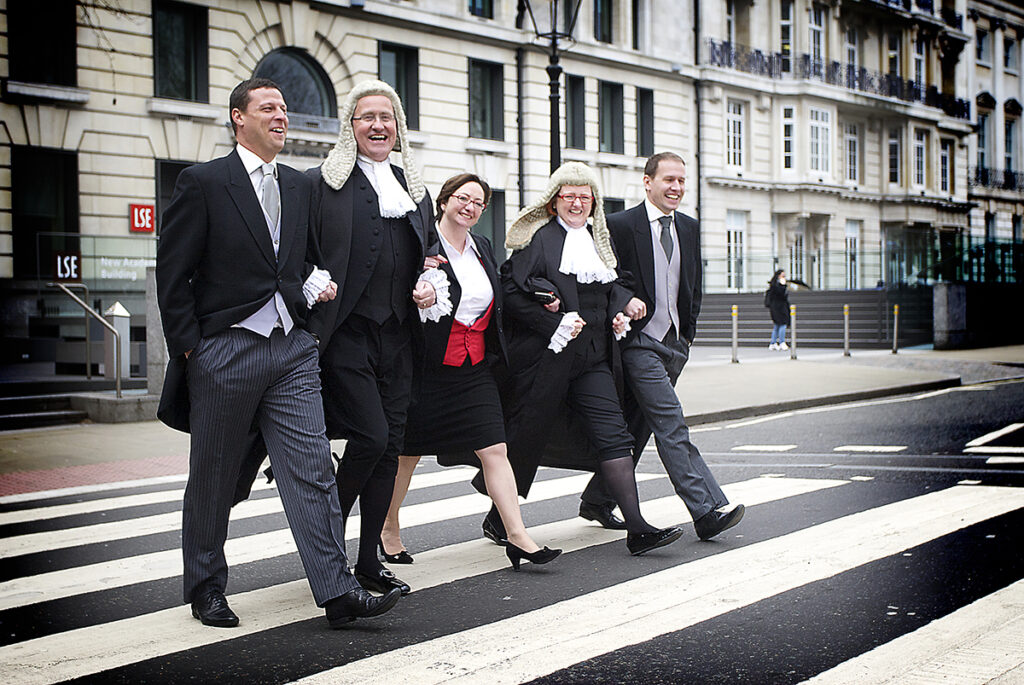
Photo by Brian Lloyd Ducket
Good media photography isn’t about glamour – it’s about clarity, quality and context.
- Never use stock imagery. Editors and readers can spot it instantly and it’s extremely likely you are breaching the copyright small print of the website where you bought it by providing it with a press release, whereby there is an unspoken understanding you are granting others the right to reproduce it (which is illegal if you don’t own the right to).
- Provide original, high-resolution, well-lit images, showing real people and authentic settings.
- Supply captions and names: this helps both human editors and AI systems index the image correctly.
- Include options if you can, a landscape, a portrait, a team shot, so editors can choose what fits their layout. But remember each option must work as the shot, not be provided as a combination.
- Most importantly, the shot should “tell the story”. The very best shots tell the story without you even having to read the accompanying article.
Publications are increasingly under-resourced. If you make your story visually ready to publish, you’re not just being helpful, you’re making it easier for a journalist to say “yes”. Photos should look exactly like the kind of photo the publication would take if they sent along their own photographer.
Bringing it all together
Traditionally, PR has been seen as an optional extra for small businesses who want to sell a bit more than they would otherwise.
But PR has never been an optional extra for businesses that want to grow. For these kinds of businesses, it has always been essential. It’s the foundation of visibility, credibility and long-term brand value.
What’s new is that AI-powered search has made that visibility more measurable and more valuable than ever. When trusted media outlets mention your company, they’re not just boosting your reputation, they’re signalling to algorithms that your brand is authoritative.
For SMEs, that means now is the moment to invest in earned media:
- Build relationships with journalists before you need them.
- Think in stories, not sales messages.
- Use local coverage as your credibility engine.
- Ensure every piece of content – words and images – is publication-ready.
Do it consistently and strategically, and your business won’t just be more visible to editors and audiences. It will be visible to the very systems that shape how people discover and trust brands in the digital era.